
Centre Authors: Tobar, Michael
Read MoreCentre Authors: Quiskamp, Aaron, McAllister, Ben, Rybka, Gray, Tobar, Michael, Goryachev, Maxim, Thomson, Catriona
Read More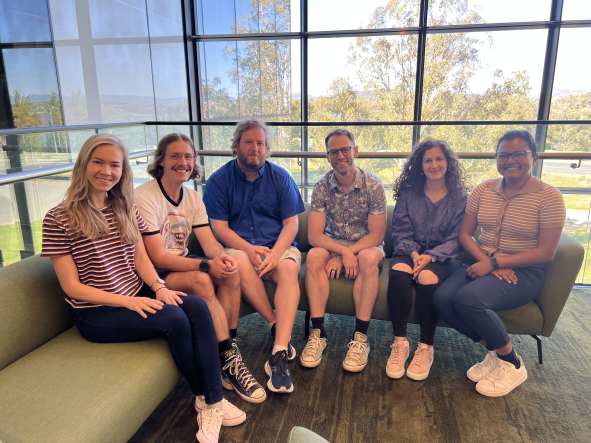
Members of the CYGNUS-Oz collaboration have received a funding injection of more than $90,000 that will enable the Australian team to play a pivotal role in the international quest to develop directional dark matter detectors.
Read MoreF. Scutti
Read MoreCentre Authors: Tobar, Michael, Goryachev, Maxim
Read More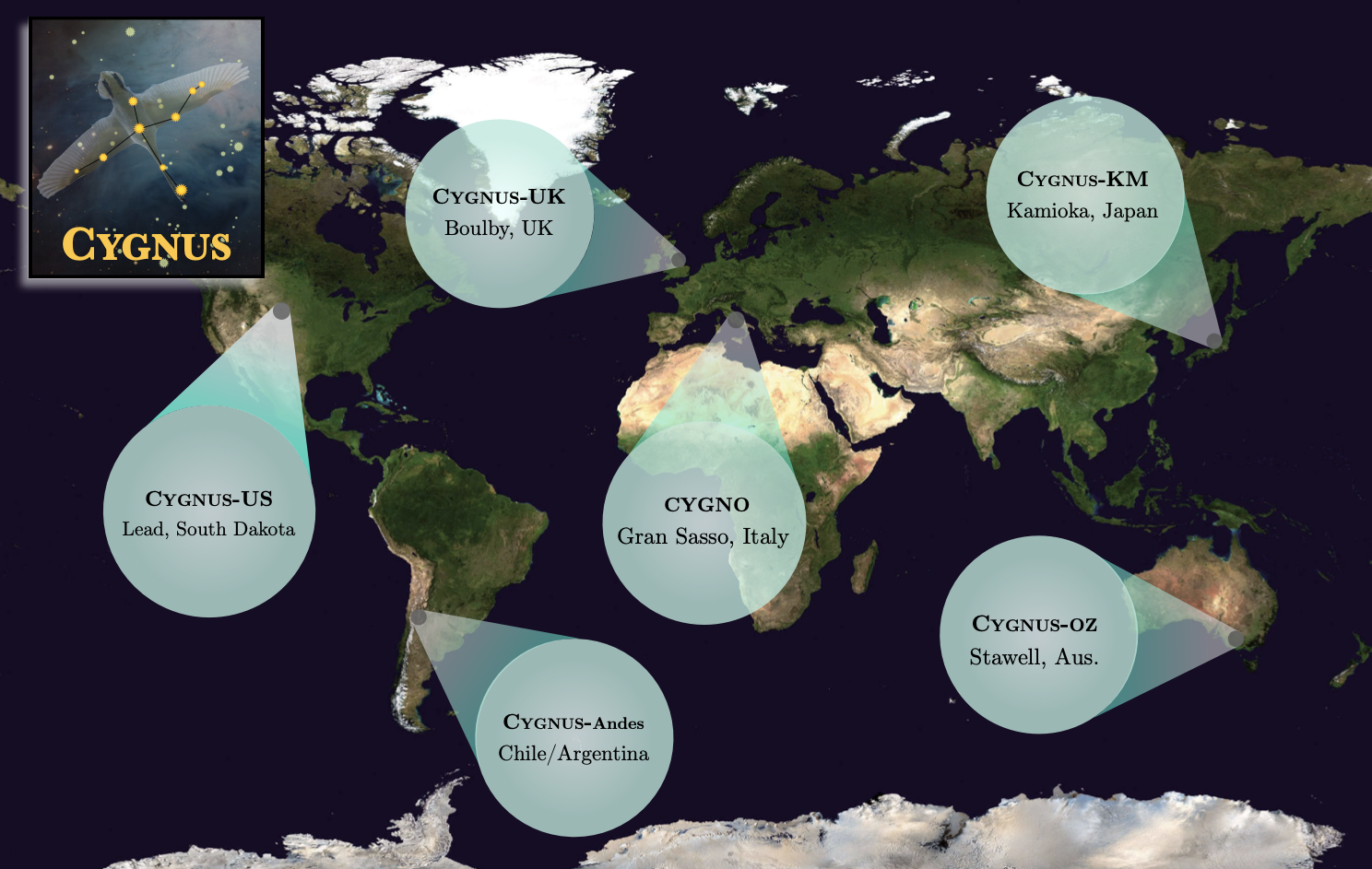
CYGNUS is a grouping of international researchers who have an interest in directional detection using gaseous Time Projection Chambers (TPCs).
Read More
Centre Director Elisabetta Barberio will provide an update on the SABRE South experiment, which will be located in the Stawell Underground Physics Laboratory.
Read MoreCentre Authors: Duffy, A., Mould, J., Flynn, C., Dixon, M., Taylor, E.
Read MoreCentre Authors: Tobar, M., Goryachev, M., McAllister, B., Quiskamp, A., Campbell, W., Thomson, C., Ivanov, E., Bourhill, J.
Read MoreCentre Authors: Tobar, M., McAllister, B.
Read MoreCentre Authors: Bell, N., Barberio, E. L., Newstead, J., O'Hare, C., Boehm, C., Urquijo, P.
Read MoreCentre Authors: Duffy, A., Lawrence, G., Hopkins, P.
Read MoreCentre Authors: Tobar, M., Goryachev, M.
Read More
Grace Lawrence’s area of research is direct detection, using simulations to study galaxy-scale dark matter distribution.
Read More
Located one kilometre underground in the Stawell Gold Mine, the first dark matter laboratory in the Southern Hemisphere is preparing to join the global quest to understand the nature of dark matter and unlock the secrets of our universe.
Read More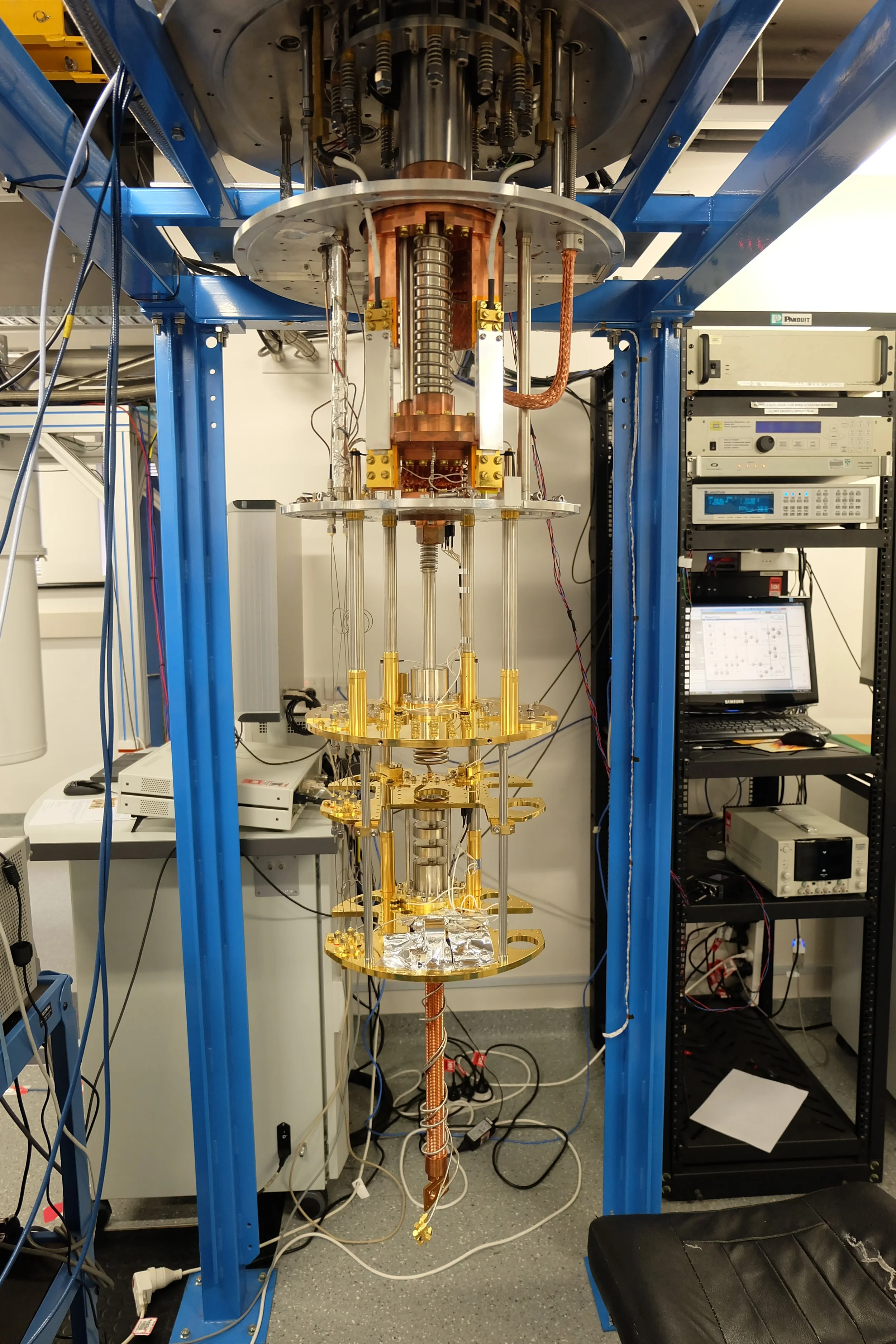
The ORGAN Experiment—Australia’s first major contribution to dark matter detection—is now fully online and searching for dark matter, bringing us a step closer to solving one of the biggest mysteries of the Universe.
Read MoreThe Centre’s main effort in WISP detection is what is known as The Oscillating Resonant Group AxioN Experiment, or ORGAN for short
Read More
WISPs are similar to WIMPs in some ways – e.g. they don’t interact very much at all with regular matter – but their key distinction is that they are very light in comparison.
Read More
While SABRE looks to search for WIMPs in the traditional mass range – that is to say 10s to 100s of times as heavy as a proton – it is also possible that WIMPs are lighter, perhaps a fraction of the mass of a proton.
Read MoreThe WIMP search has spawned numerous innovations in particle detector technology. To give a sense of the rapid rate of progress, the experimental sensitivity to WIMPs over the last two decades has increased more quickly than computer speeds (as described by ‘Moore’s Law’) during the 80s to 00s.
Read More