
ARC Centre of Excellence for Dark Matter Particle Physics
Aims and Vision Nodes and Partners Media and Communcation Outreach and Education Equity, Diversity and Inclusion Publications Jobs and Opportunities Contact Code of Conduct Videos Stawell Underground Physics Laboratory
Executive Committee Chief Investigators Partner Investigators Associate Investigators Postdoctoral Researchers Academic Staff Professional and Technical Staff Students Research Committee Advisory Board International Scientific Advisory Committee Women in STEM Meet the Researcher
Introduction Direct Detection Large Hadron Collider Precision Metrology Theory
Media Releases Events Centre News Annual Reports
The Centre Aims and Vision Nodes and Partners Media and Communcation Outreach and Education Equity, Diversity and Inclusion Publications Jobs and Opportunities Contact Code of Conduct Videos Stawell Underground Physics Laboratory People Executive Committee Chief Investigators Partner Investigators Associate Investigators Postdoctoral Researchers Academic Staff Professional and Technical Staff Students Research Committee Advisory Board International Scientific Advisory Committee Women in STEM Meet the Researcher Research themes Introduction Direct Detection Large Hadron Collider Precision Metrology Theory News Media Releases Events Centre News Annual Reports
ARC Centre of Excellence for Dark Matter Particle Physics
 

Partner Investigators

 
dark matter sim.jpg
Featured
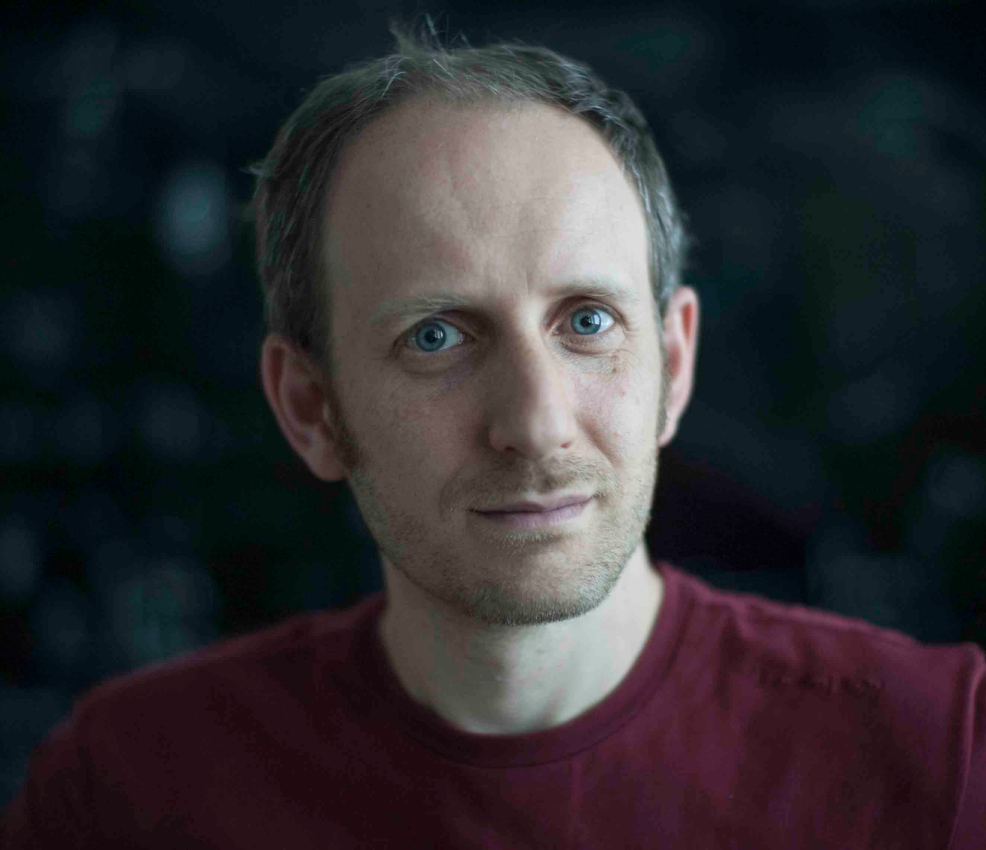
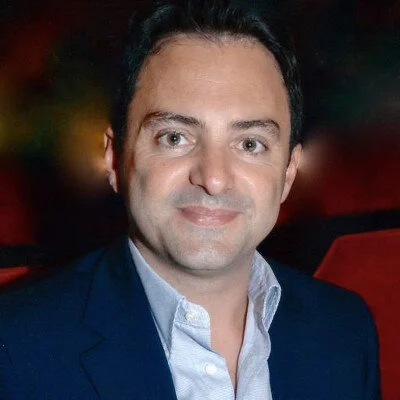
Luca Scotto Lavina
Luca Scotto Lavina

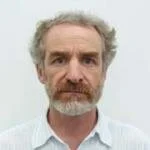
Dr Luca Scotto Lavina is a CNRS Director of Research leading the Xenon group in the LPNHE Laboratory, Paris. He currently works on XENONnT, the latest generation of the XENON Project, one of the most successful projects aiming to detect Dark Matter directly in our galaxy with terrestrial, underground detectors based on dual-phase xenon TPC technology.

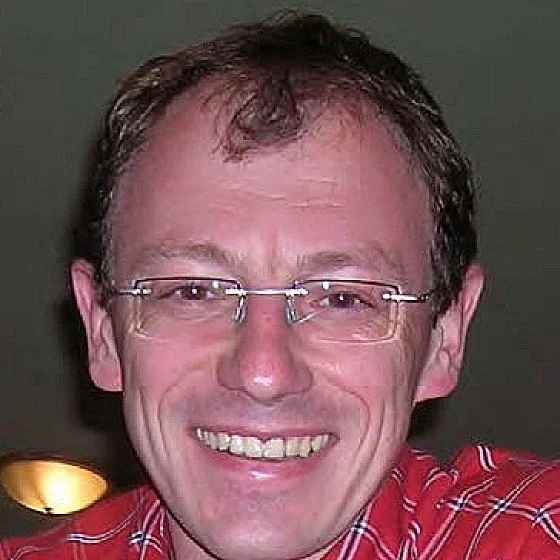
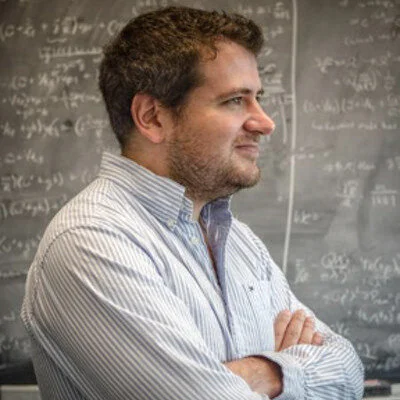
Anton Wallner
Anton Wallner

Professor Anton Wallner (HZDR) is the Head of the Department of Accelerator Mass Spectrometry and Isotope Research at Helmholtz-Zentrum Dresden-Rossendorf.

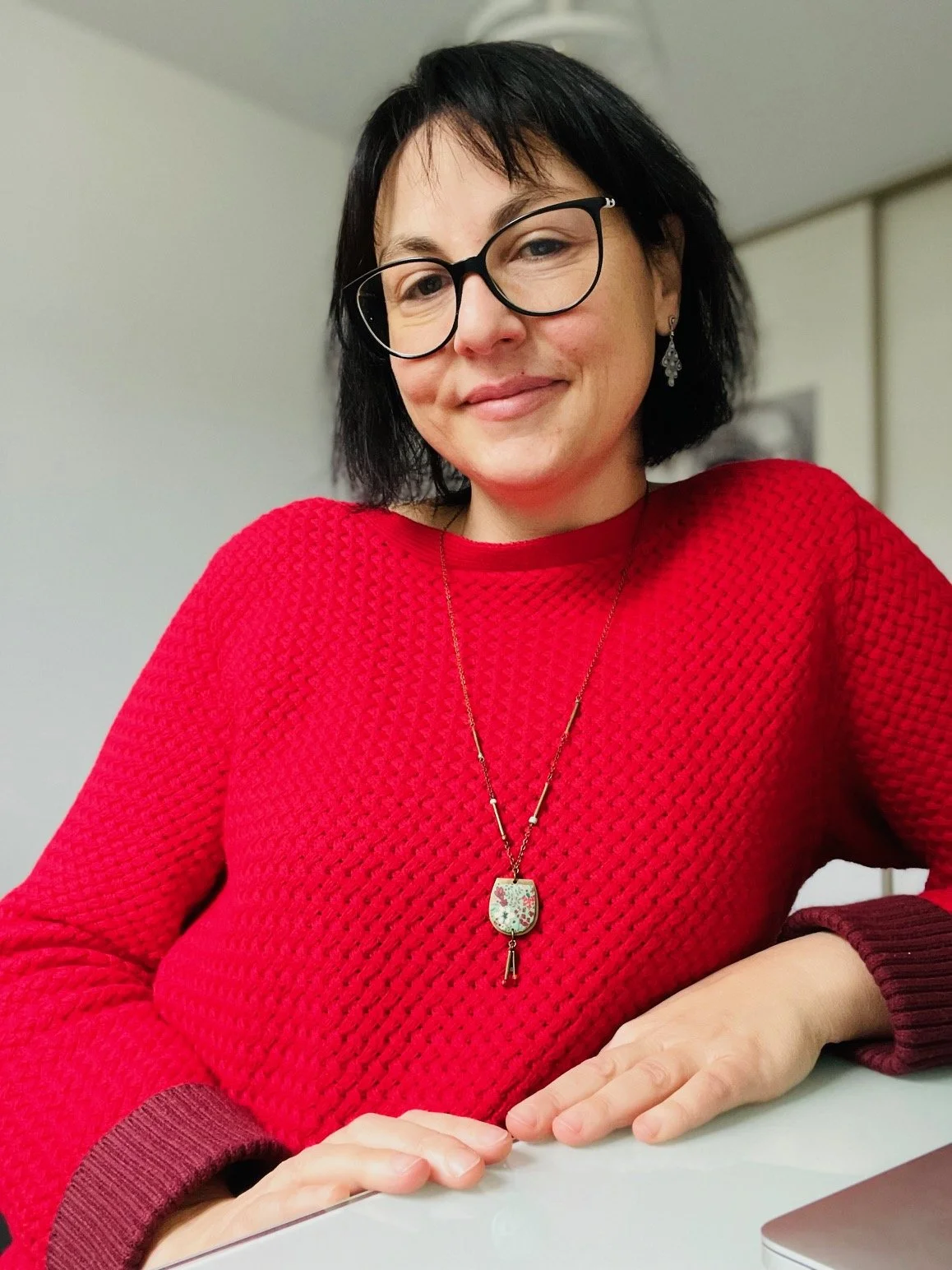
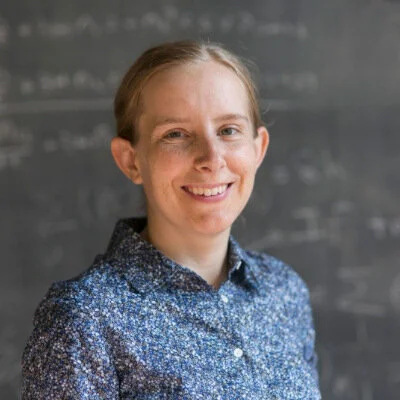
Sara Diglio
Sara Diglio

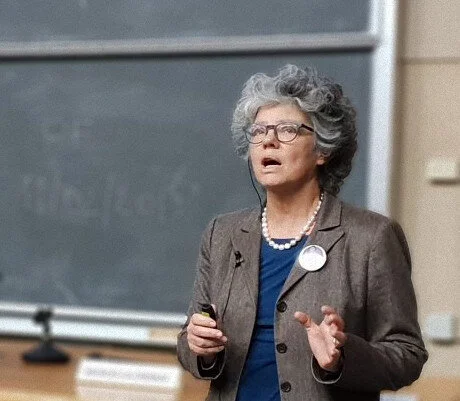
Sara Diglio is a CNRS researcher at the SUBATECH laboratory in Nantes, France. Her scientific interests range from particle and astroparticle physics to detector technologies.

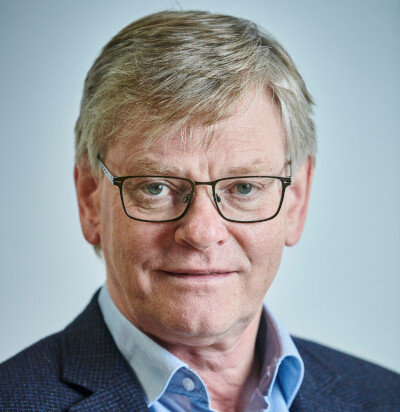
Karl Jakobs
Karl Jakobs

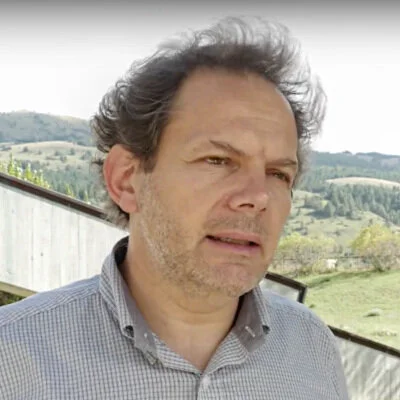
Professor Karl Jakobs (Uni of Freiburg) is an experimental particle physicist with a well-established career using detectors situated at particle colliders.

Gianfranco Bertone
Gianfranco Bertone

Professor Gianfranco Bertone (Uni of Amsterdam) is an internationally renowned theoretical physicist working at the interface between particle physics, astrophysics and cosmology.

Philip Hopkins
Philip Hopkins

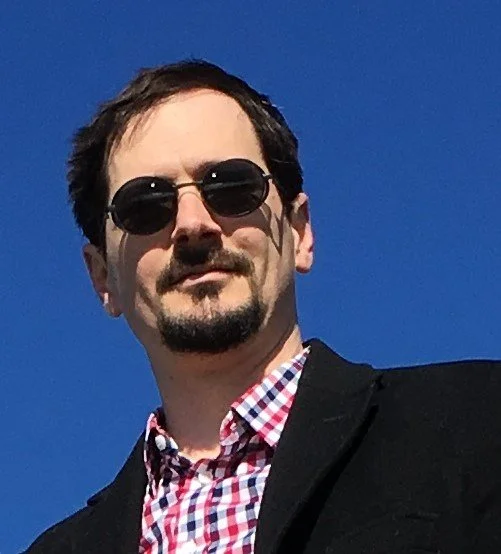
Professor Phil Hopkins (Caltech) is a world-leading computational astrophysicists and expert on dark matter simulations, and has developed one of the standard supercomputer simulation codes, GIZMO.

Tracy Slatyer
Tracy Slatyer

Professor Tracy Slatyer (MIT) is an esteemed theoretical particle physicist, who has worked extensively on searches for and models of dark matter, especially searches employing astrophysical and cosmological data.

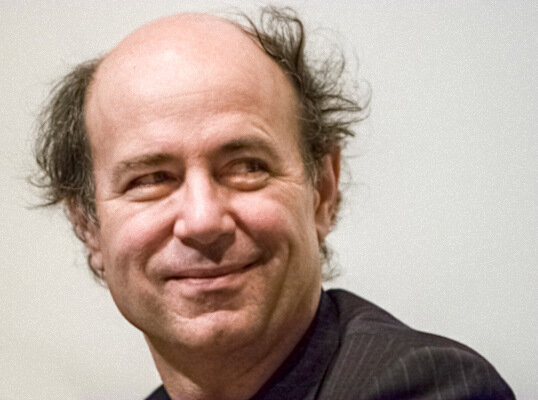
Frank Wilczek
Frank Wilczek

One of the world’s most eminent theoretical physicists, Professor Frank Wilczek (Stockholm Uni) was awarded the 2004 Nobel Prize in Physics (alongside David Gross and Hugh David Politzer) for his discovery of asymptotic freedom in strong interactions.

Michael Hotchkis
Michael Hotchkis

Dr. Michael Hotchkis (ANSTO) is Principal Research Scientist at the Australian Nuclear Science and Technology Organisation.

Damian Marinaro
Damian Marinaro

Dr. Damian Marinaro (Defence Science Technology Group) explores technology transfer between the Centre and the Defence, National Security, and Industry sectors.

Marcella Diemoz
Marcella Diemoz

Professor Marcella Diemoz (INFN Roma) has over thirty years of experience in high-energy physics including a variety of international leadership roles within the CMS experiment at the Large Hadron Collider.

Aldo Ianni
Aldo Ianni

Dr. Aldo Ianni (LNGS) has considerable experience in the development and operation of dark-matter direct-detection experiments in low-radiation underground environments.

Gray Rybka
Gray Rybka

Associate Professor Gray Rybka (Uni of Washington) is a leading researcher in the area of axion direct-detection searches.

Neil Spooner
Neil Spooner

Professor Neil Spooner (Uni of Sheffield) is a world-leading expert in dark matter detection and neutrino physics, including development of directional dark-matter direct-detection methods.

centre-of-dark-matter.png
aust-gov-research.png

The ARC Centre of Excellence for Dark Matter Particle Physics is funded by the Australian Research Council

aboriginal-flag.jpg

The ARC Centre of Excellence for Dark Matter Particle Physics acknowledges the Traditional Custodians of the lands and waters on which we work. We acknowledge and pay respects to the Elders and Traditional Owners of the land on which our Australian nodes stand. We pay our respects to their Elders, past, present, and emerging.

lgbt-flag.jpg

The ARC Centre of Excellence for Dark Matter Particle Physics recognises the richness diversity brings and we pride ourselves on fostering and promoting a diverse and inclusive learning and working environment free from discrimination, harassment, vilification, or victimisation based on individual identity and experience.


​© 2024 The ARC Centre of Excellence for Dark Matter Particle Physics