Francesco Nuti has been key for the SABRE design, detector simulation, physics performance and his expertise on GENAT simulation are key to SABRE simulation.
Read More
Francesco Nuti has been key for the SABRE design, detector simulation, physics performance and his expertise on GENAT simulation are key to SABRE simulation.
Read MoreUniversity of Adelaide Node Administrator
Read MoreMatthew Rumley is a PhD student at the University of Adelaide working under the supervision of Prof Anthony Thomas.
Read MoreHaylea Purnell is a PhD student at the University of Adelaide working under the supervision of Prof Paul Jackson.
Read MoreCameron Harris is a PhD student at the University of Adelaide working under the supervision of Prof Paul Jackson.
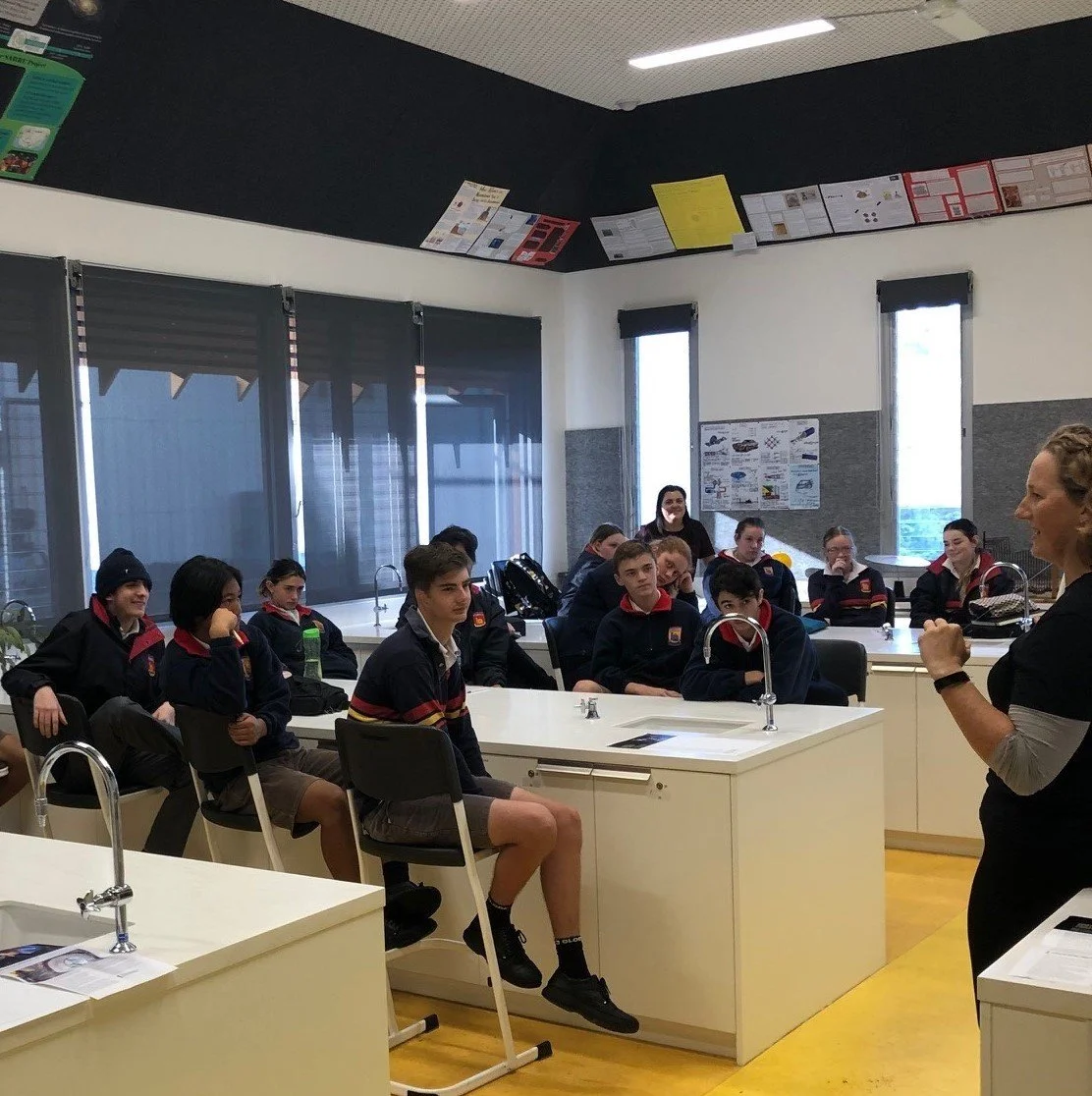
Read MoreThree schools in the Riverina region are the first in New South Wales to participate in an innovative program introducing students to dark matter.
Read MoreThree schools in the Riverina region are the first in New South Wales to participate in an innovative program introducing students to dark matter.
Read MoreKieran Murphy is a Bachelor of Science student at the University of Melbourne, currently working on dark sector searches in Belle II under the supervision of Professor Phillip Urquijo.
Read MoreOwen is a PhD student in a Joint PhD between University of Melbourne and Subatech Laboratory (Nantes, France) as part of a joint program between the University of Melbourne and the CNRS. Working with Prof. Elisabetta Barberio, Prof. Phillip Urquijo and Dr, Sara Diglio. Working on instrumentation and simulation for the SABRE South experiment and the XLZD/DARWIN collaboration.
Read MoreDr Tarak Maity is a postdoctoral researcher at the University of Sydney, working broadly in astroparticle physics. He is interested in utilizing theoretical and experimental approaches to understand the fundamental nature of dark matter.
Read MoreA major challenge in the hunt for dark matter is that we don’t know the mass of the dark matter particles that we are trying to detect.
Read MoreDr Aivrup Ghosh has been a postdoctoral researcher in the Dark Matter Phenomenology group in the University of Melbourne, since early 2024.
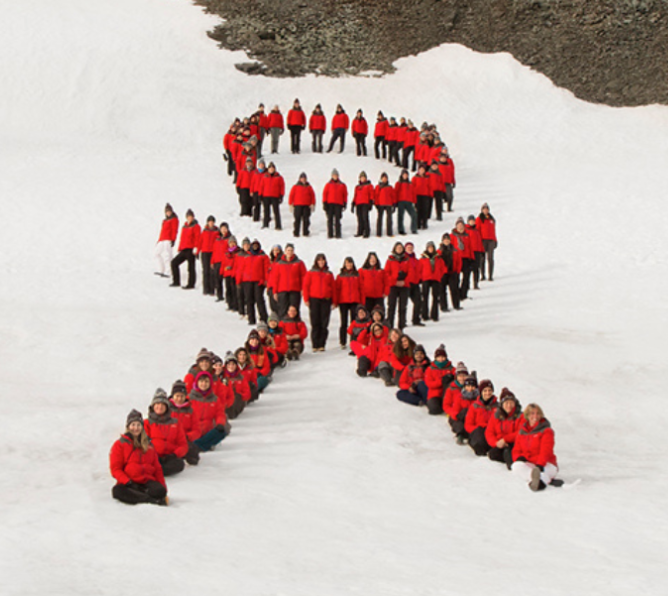
Read MoreHomeward Bound is a ground-breaking, global leadership initiative, set against the backdrop of Antarctica, which aims to heighten the influence and impact of women in making decisions that shape our planet.
Read MoreThe L’Oréal-UNESCO For Women in Science initiative began in 1998 and since that time the L’Oréal Foundation and UNESCO have strived to support and recognise accomplished women researchers, encourage more young women to enter the profession and to assist them as they progress their careers.
Read MoreA high-impact 4-month program for emerging and aspiring women leaders, providing essential leadership skills and frameworks. Delivered part-time over four months, Leading Edge supports aspiring and early career women managers to transition into confident, capable, and motivated leaders.
Read MoreInterested in neutrinos? Listen to the University of Western Australia’s Jeremy Bourhill discuss how these particles can help us understand physics beyond the standard model on ABC Perth.
Read More