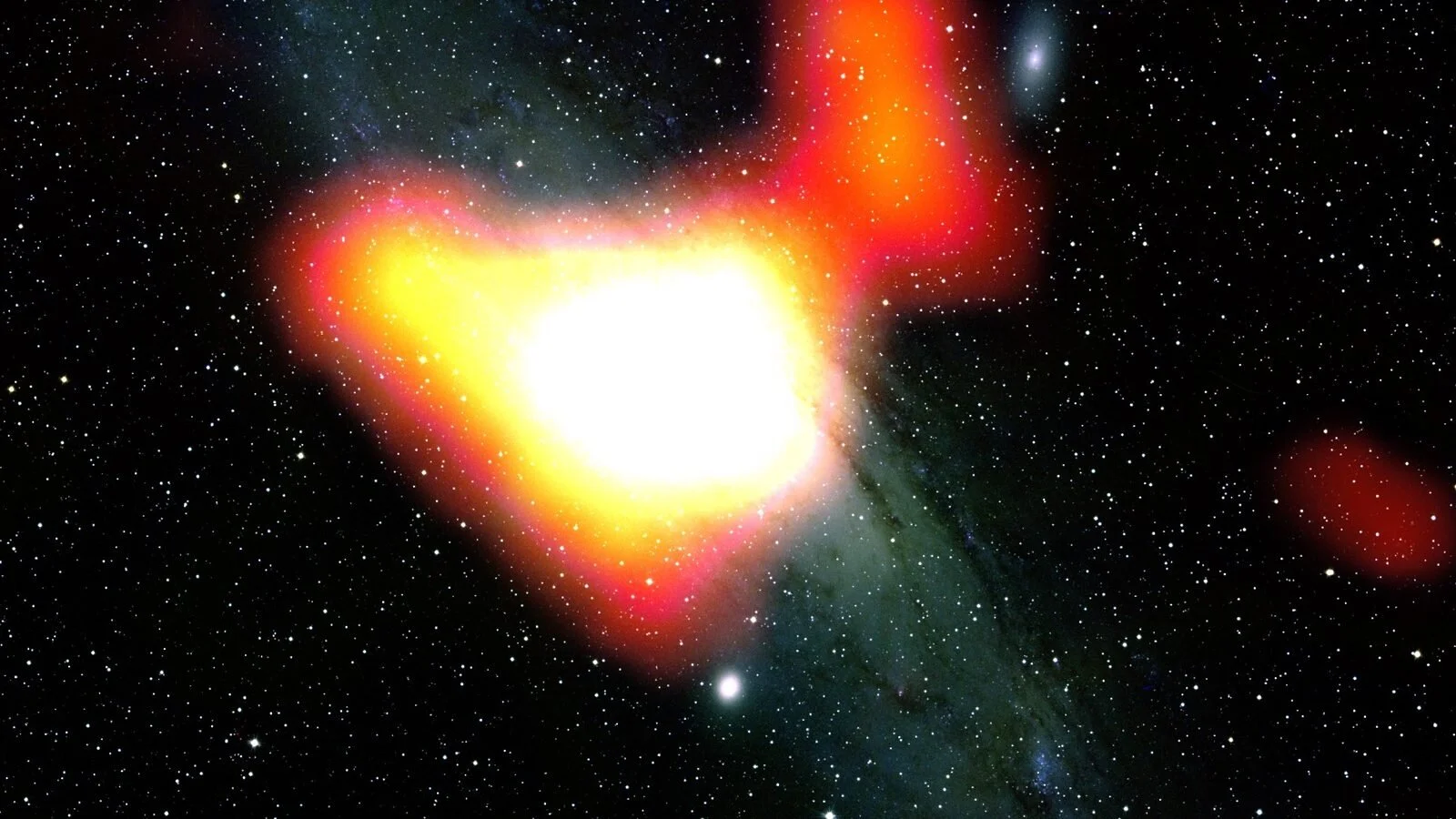
Correlation between the distributions of the diffuse gamma-ray glow across the sky and matter throughout the universe may help throw light on the search for gamma-ray emission from dark matter particle annihilation.
Read More
Correlation between the distributions of the diffuse gamma-ray glow across the sky and matter throughout the universe may help throw light on the search for gamma-ray emission from dark matter particle annihilation.
Read MoreTony Thomas receives high award in the 2020 Australia Day Honours.
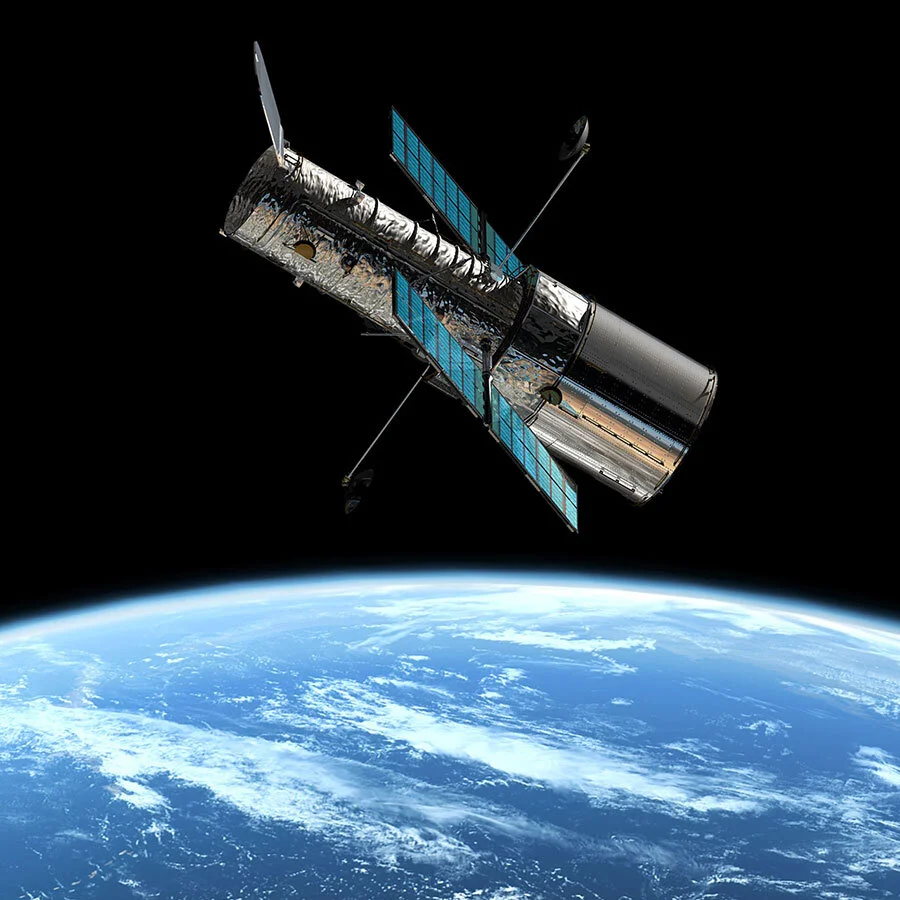
Read MoreObservations by the Hubble Space Telescope of gravitationally-lensed quasars have been used to detect the smallest clumps of dark matter found thus far.
Read MoreA brief overview of what we mean by “precision metrology” in the context of the Centre’s search for dark matter.
Read MoreUS funding extends the ADMX search for axions
Read MoreCelebrate the search for Dark Matter!
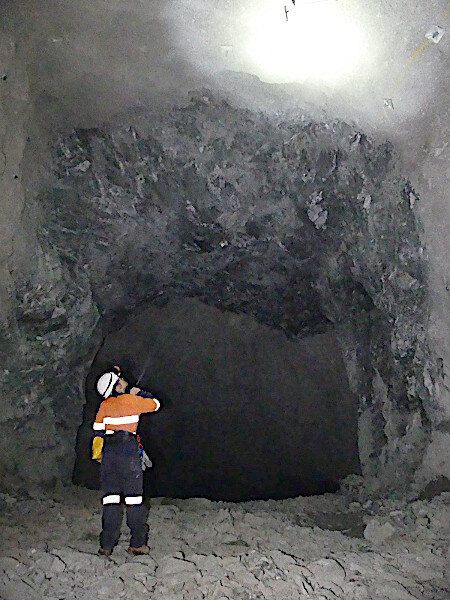
Read MoreSUPL excavation reaches major milestone
Read MoreBefore we get started, it should be pointed out that what is meant here by “small-scale” is something on the scale of our galaxy’s dark matter halo.
Read MoreARC CoE funding announced in August 2019
Read MoreOccasional updates on the progress of the SABRE South experiment.
Read MoreWhat makes us think we need dark matter?
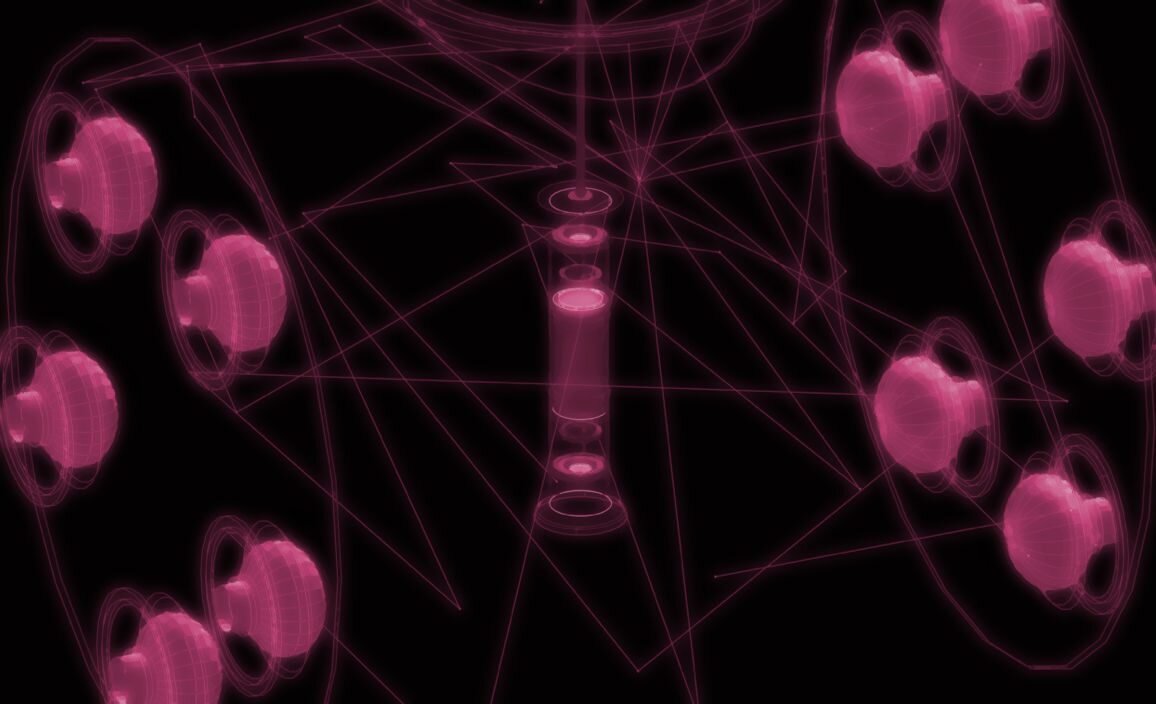
Read MoreAn axion-detection experiment at the University of Western Australia.
Read MoreHow does one detect an axion?
Read MoreLighter than a WIMP, but more of them…
Read MoreWhy we would expect an annual variation in the dark matter count rate.
Read MoreAn overview of how the SABRE dark matter detector works.
Read MoreSUPL will be the home of the SABRE South dark matter detector.
Read MoreThe SABRE experiment has two sites- one in Italy, and the other to be in Victoria.
Read MoreDr. Richard Garrett (ANSTO) is Senior Advisor, Strategic Projects, and Manager, Industry and External Engagement at the Australian Nuclear Science and Technology Organisation.
Read MoreDr Maxim Goryachev is an established physicist with vast experience in low-temperature and condensed-matter physics, frequency measurement and control, low-noise and precision measurements, photonic and phononic low-loss systems, and paramagnetic and ferrimagnetic spin systems at low temperatures.
Read More