Researchers from some of Australia’s top universities will come together to begin their seven-year journey to discover dark matter at the new ARC Centre of Excellence for Dark Matter Particle Physics’ first Annual Meeting today and Friday.
Read More
Researchers from some of Australia’s top universities will come together to begin their seven-year journey to discover dark matter at the new ARC Centre of Excellence for Dark Matter Particle Physics’ first Annual Meeting today and Friday.
Read MoreAnita Vecchies is the Centre’s Chief Operating Officer. She has worked in research administration at the University of Melbourne since 2008, with extensive experience in large, collaborative Australian Research Council and government grant schemes.
Read MoreChristian is from the University of Freiburg and his main research is the physics at hadron colliders.
Read MoreMarc is from the University of Freiburg. He is an internationally renowned expert in the field of dark matter direct detection.
Read MoreProfessor Eugene Ivanov is a Senior Principal Research Fellow in the Department of Physics at the University of Western Australia.
Read MoreIan McArthur completed a PhD at Harvard University in supersymmetric quantum field theory.
Read MorePeter conducted graduate studies in astronomy and astrophysics at the Australian National University and received his PhD in 1982.
Read MoreThus far in these posts, we’ve discussed WIMPs, WISPs and axions. Whilst these- particularly WIMPs and axions- represent the prevalent candidate regimes for direct…
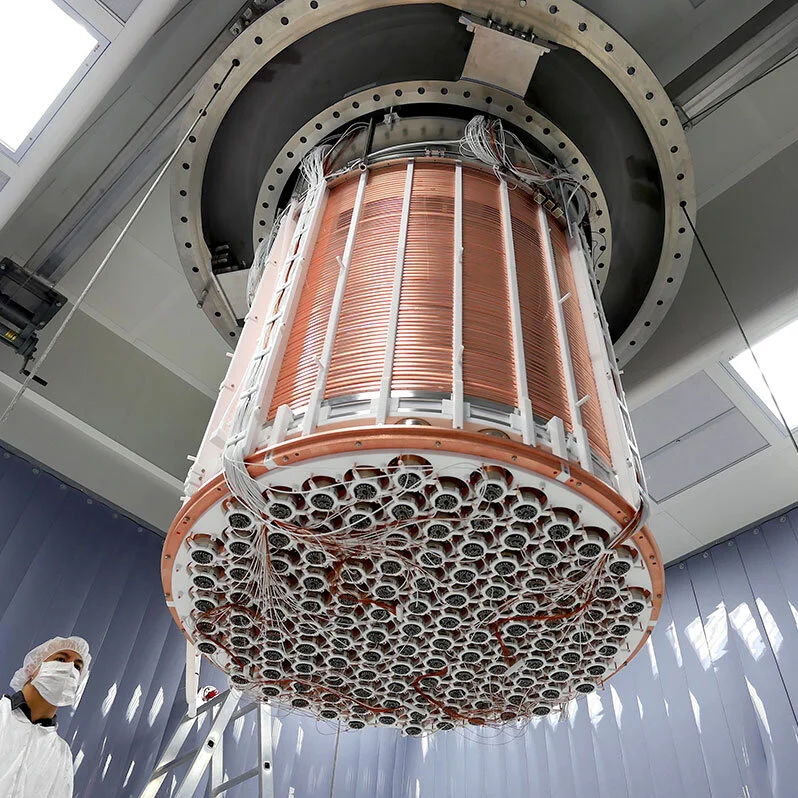
Read MoreWhilst looking for axion-mass DM candidates, the XENON1T experiment has indeed seen a surplus of events; but this does not necessarily mean the detection of a DM particle.
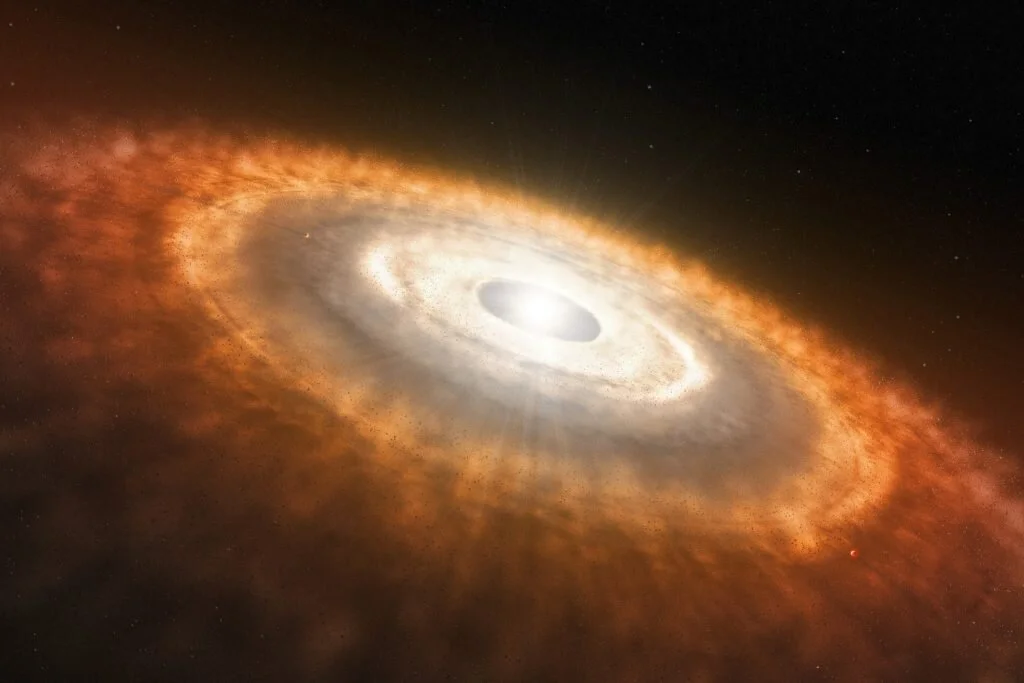
Read MoreProtoplanetary discs- discs of gas and dust around young stars, in which planets are forming- could be used to probe for very-low-mass axion DM candidate particles.
Read MoreMichael Tobar interviewed (in Spain!) about his work in axion studies and broader aspects of his career.
Read MoreProfessor Bell is one of this year’s two recipients of the Australian Academy of Science’s Nancy Millis Medal for Women in Science.
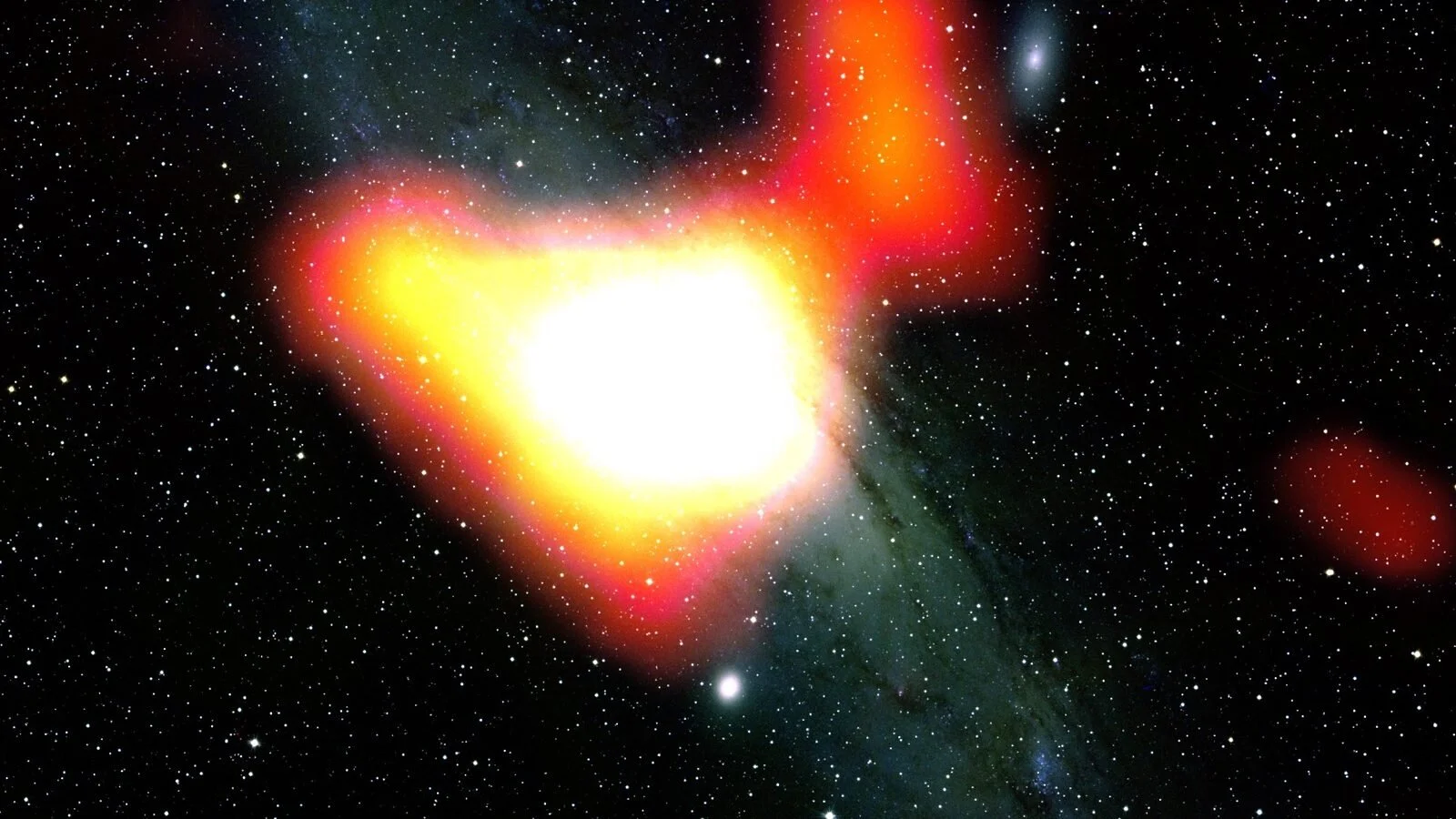
Read MoreCorrelation between the distributions of the diffuse gamma-ray glow across the sky and matter throughout the universe may help throw light on the search for gamma-ray emission from dark matter particle annihilation.
Read MoreTony Thomas receives high award in the 2020 Australia Day Honours.
Read MoreObservations by the Hubble Space Telescope of gravitationally-lensed quasars have been used to detect the smallest clumps of dark matter found thus far.
Read MoreA brief overview of what we mean by “precision metrology” in the context of the Centre’s search for dark matter.
Read MoreUS funding extends the ADMX search for axions
Read MoreCelebrate the search for Dark Matter!
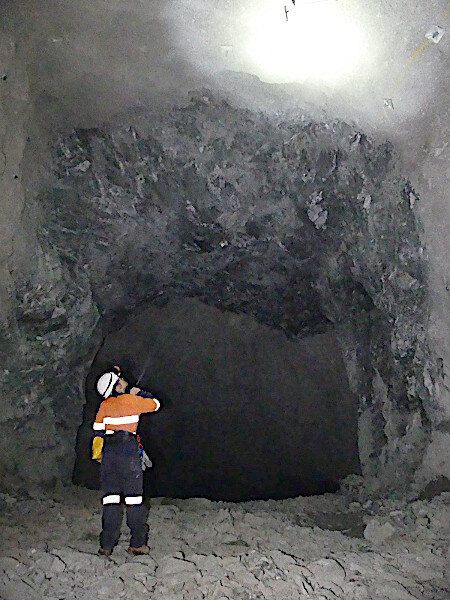
Read MoreSUPL excavation reaches major milestone
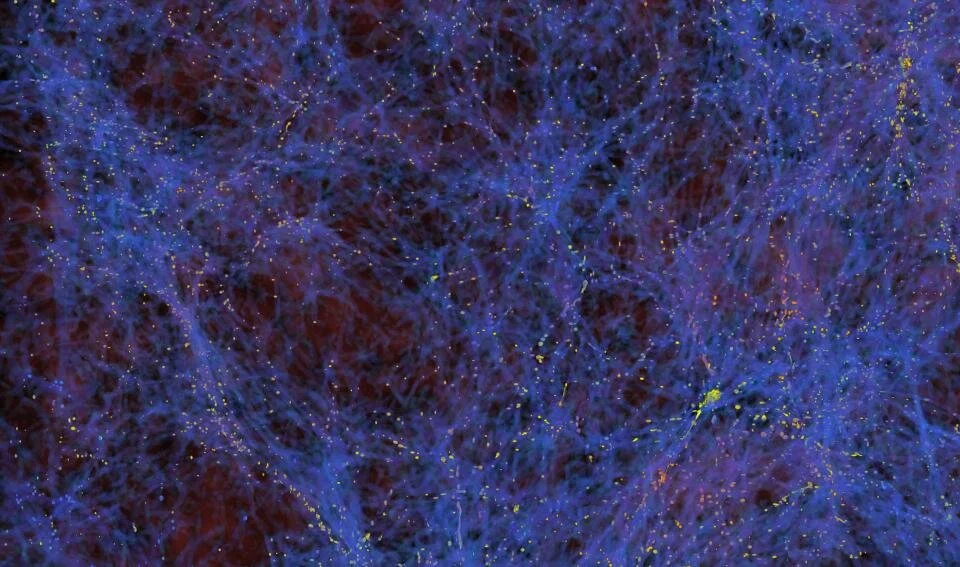
Read MoreBefore we get started, it should be pointed out that what is meant here by “small-scale” is something on the scale of our galaxy’s dark matter halo.
Read More