
Centre Authors: Barberio, E. L., Jackson, P., Kong, A., McDonald, E., McNamara, P., Potti, H., Ruggeri, T., Scutti, F., Taylor, G., Urquijo, P., White, M.
Read More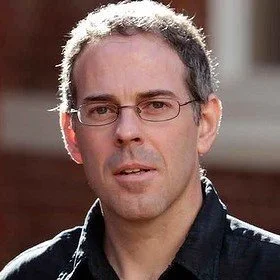
Professor Darren Croton is a theoretical and numerical astrophysicist, focusing on the formation and evolution of galaxies, the role of dark matter and dark energy, and the large-scale structure and cosmology of our Universe, using both supercomputer simulations and large observational data sets.
Read More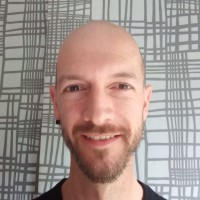
Justin Leontini is an associate professor in Mechanical and Product Design Engineering at Swinburne University of Technology.
Read More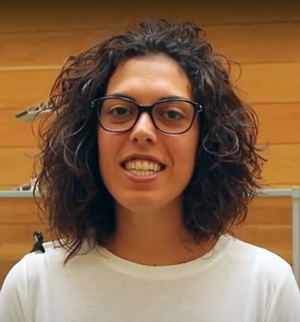
Giulia Milana’s research area is structural engineering applied at dark matter physics experiment.
Read More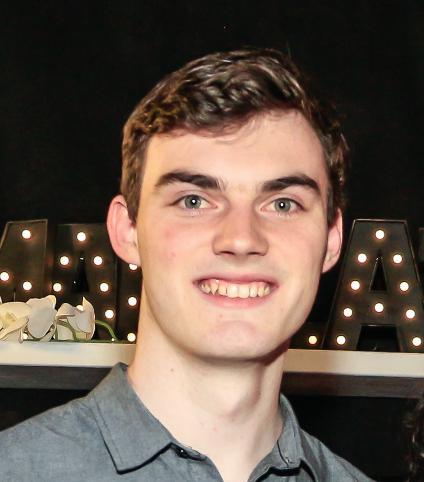
Adam Ussing is a PhD student at Swinburne University working with Darren Croton and Alan Duffy. His research is focused on using N-body simulations to simulate different dark matter models. These simulations are then implemented in galaxy evolution models to determine the observable effects of the changes in the dark matter models.
Read MoreCentre Authors: Barberio, E. L., Jackson, P., Kong, A., McDonald, E., McNamara, P., Potti, H., Ruggeri, T., Scutti, F., Taylor, G., Urquijo, P., White, M.
Read MoreCentre Authors: Boehm, C.
Read MoreCentre Authors: Barberio, E. L., Jackson, P., Kong, A., McDonald, E., McNamara, P., Potti, H., Ruggeri, T., Scutti, F., Taylor, G., Urquijo, P., White, M.
Read MoreAstrophysics provides evidence for the existence and distribution of dark matter via gravitational effects. In addition, we can use astrophysics and cosmology data to learn about dark matter’s non-gravitational interactions, providing information about the particle nature of dark matter complementary to that obtained in experiments on Earth.
Read MoreThe unusual word `phenomenology’ refers to the study of various observable phenomena related to dark matter. Here, we focus on the ways theoretical descriptions of dark matter may be tested in laboratory experiments.
Read MoreTwo leading theoretical candidates for dark matter are WIMPs and WISPs, which stand for Weakly Interacting Massive Particles and Weakly Interacting Slim Particles.
Read More
The winners of the Centre’s outreach and collaboration awards were announced at the 2021 Annual Workshop today.
Read More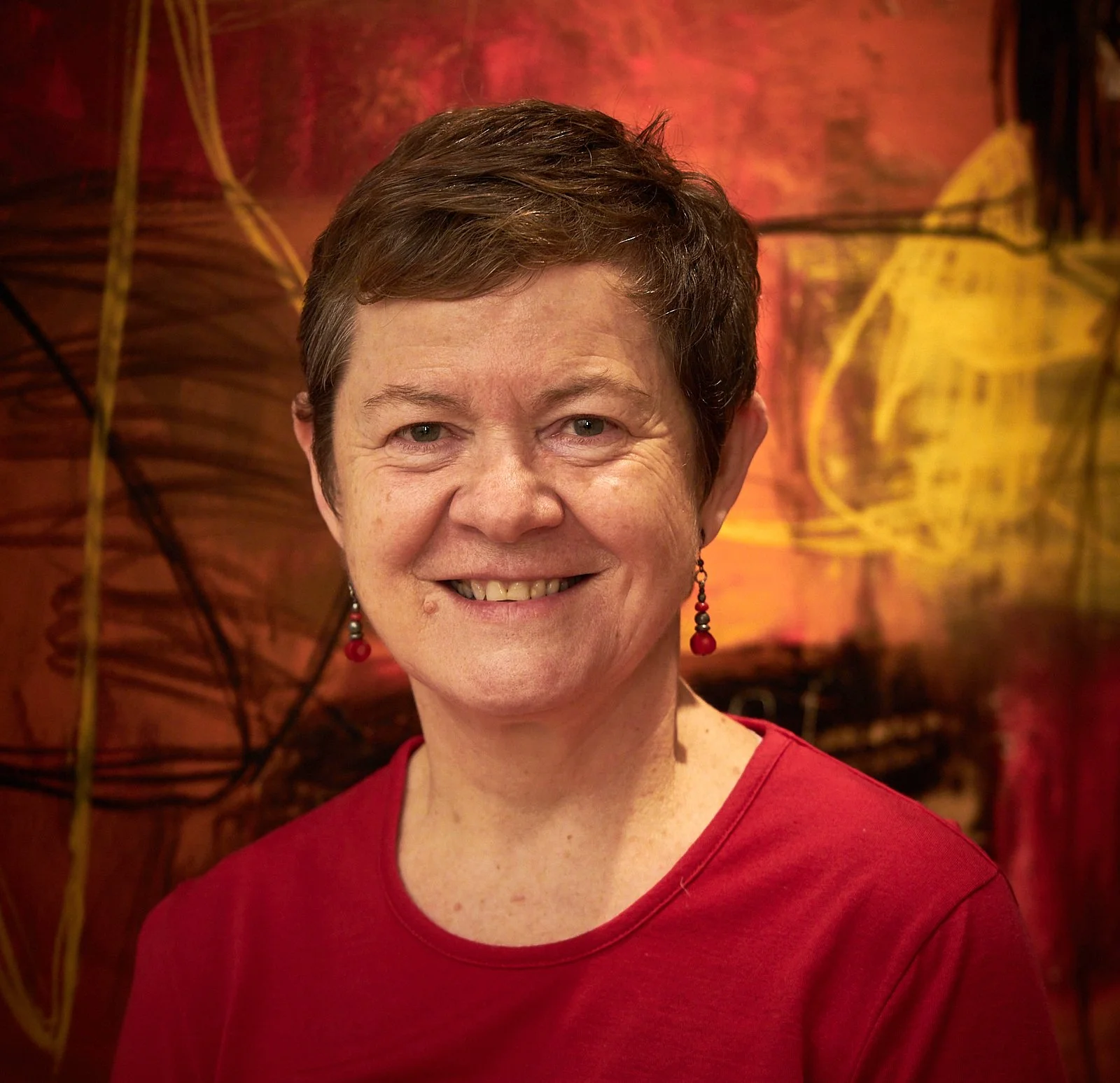
Dr Sue Barrell has been appointed Chair of the SUPL Board, replacing Dr Leonie Walsh in the position.
Read More
To help encourage more women to step into leadership roles across the Education, Training and Development Sector, Women and Leadership Australias offering scholarships of up to $5,000 for three leadership development courses.
Read More
The Centre’s Ben McAllister has won first prize in the University of Western Australia’s Rising Stars 2021 Awards.
Read More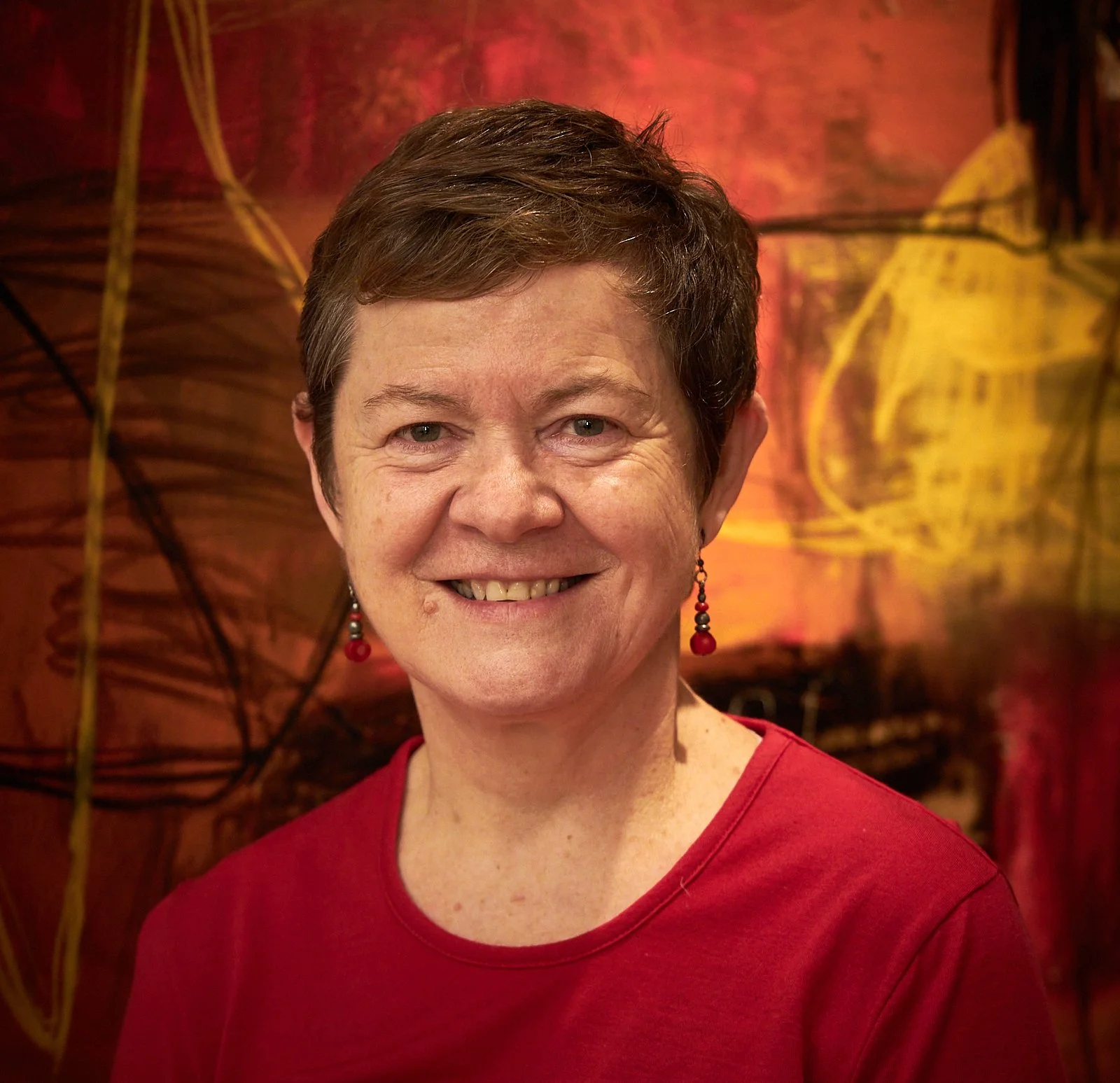
The independent chair of the company that will manage and operate the Stawell Underground Physics Laboratory (SUPL) has been awarded as an Officer of the Order of Australia in the Australia Day Honours List.
Read More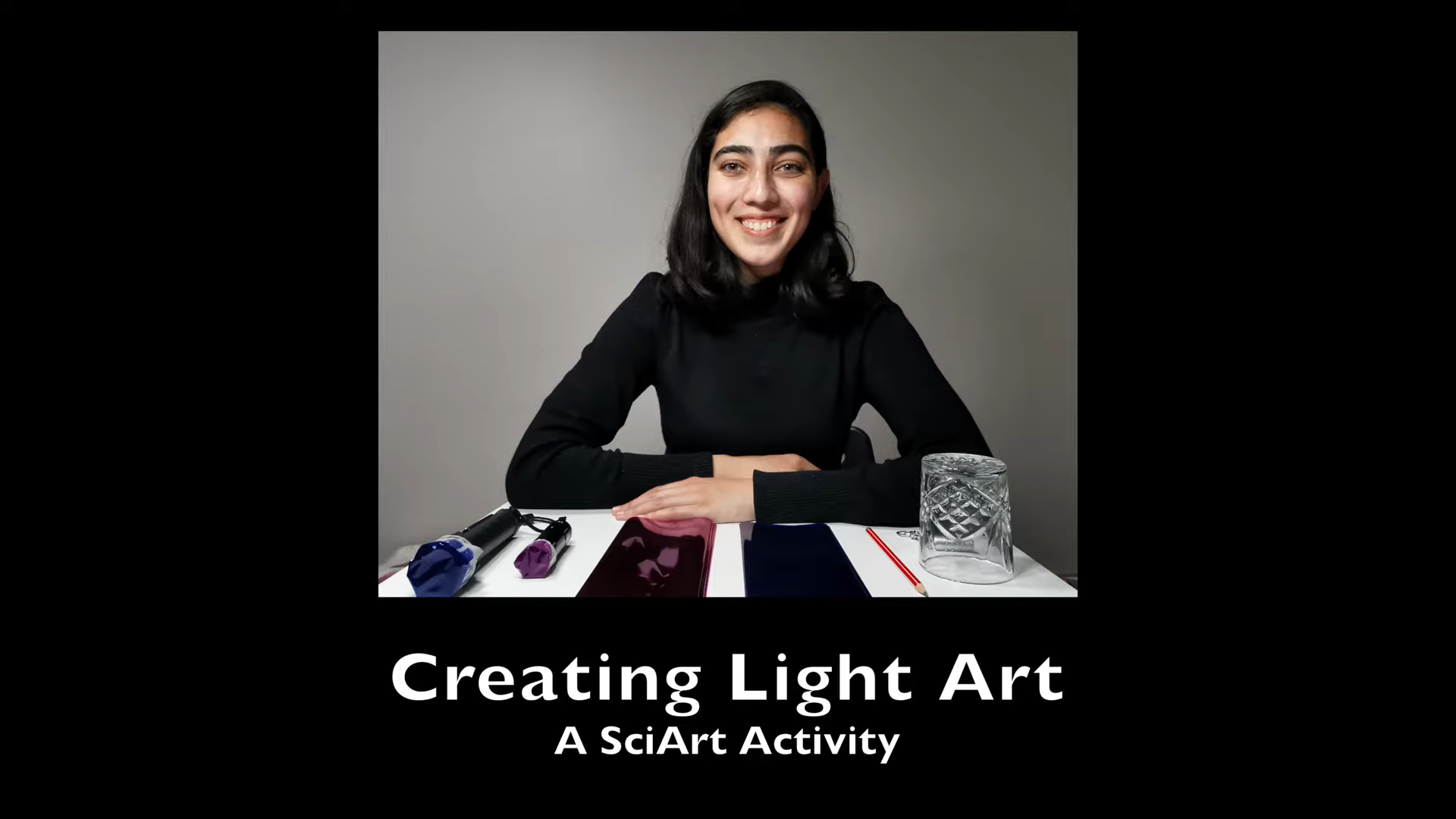
In this SciArt activity, Centre member Raghda Abdel Khaleq will show you how to combine science and art to make beautiful works like the ones she has created..
Read More
To celebrate Dark Matter Day, we want to know what about something you wish existed. Find out more about our Mystery Matter! art competition.
Read More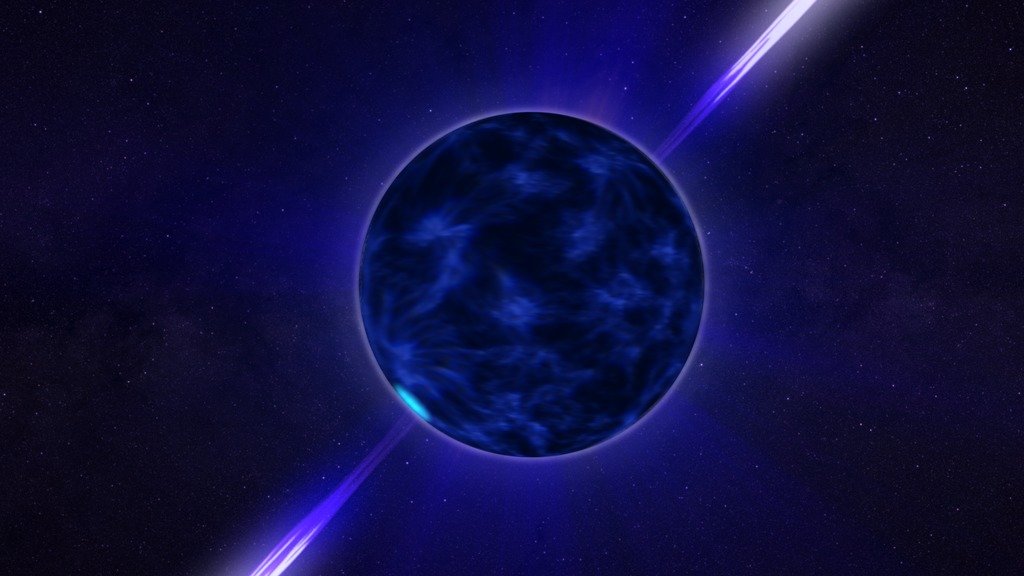
The quest to uncover the nature of dark matter is one of the greatest challenges in science today, but the key to finally understanding this mysterious substance may well lie in the stars.
Read More
The CDM is accepting applications for Vacation Studentships from enthusiastic university students with excellent scholastic records who are in the last, or second last, year of their undergraduate or Honours/Masters degree in a relevant field.
Read More