While SABRE looks to search for WIMPs in the traditional mass range – that is to say 10s to 100s of times as heavy as a proton – it is also possible that WIMPs are lighter, perhaps a fraction of the mass of a proton.
Read More
While SABRE looks to search for WIMPs in the traditional mass range – that is to say 10s to 100s of times as heavy as a proton – it is also possible that WIMPs are lighter, perhaps a fraction of the mass of a proton.
Read MoreThe WIMP search has spawned numerous innovations in particle detector technology. To give a sense of the rapid rate of progress, the experimental sensitivity to WIMPs over the last two decades has increased more quickly than computer speeds (as described by ‘Moore’s Law’) during the 80s to 00s.
Read MoreWhile most experimental searches for WIMP dark matter have come up empty, there is one experiment, known as DAMA, that has claimed to have detected dark matter, and no one has yet been able to confirm or refute the claim.
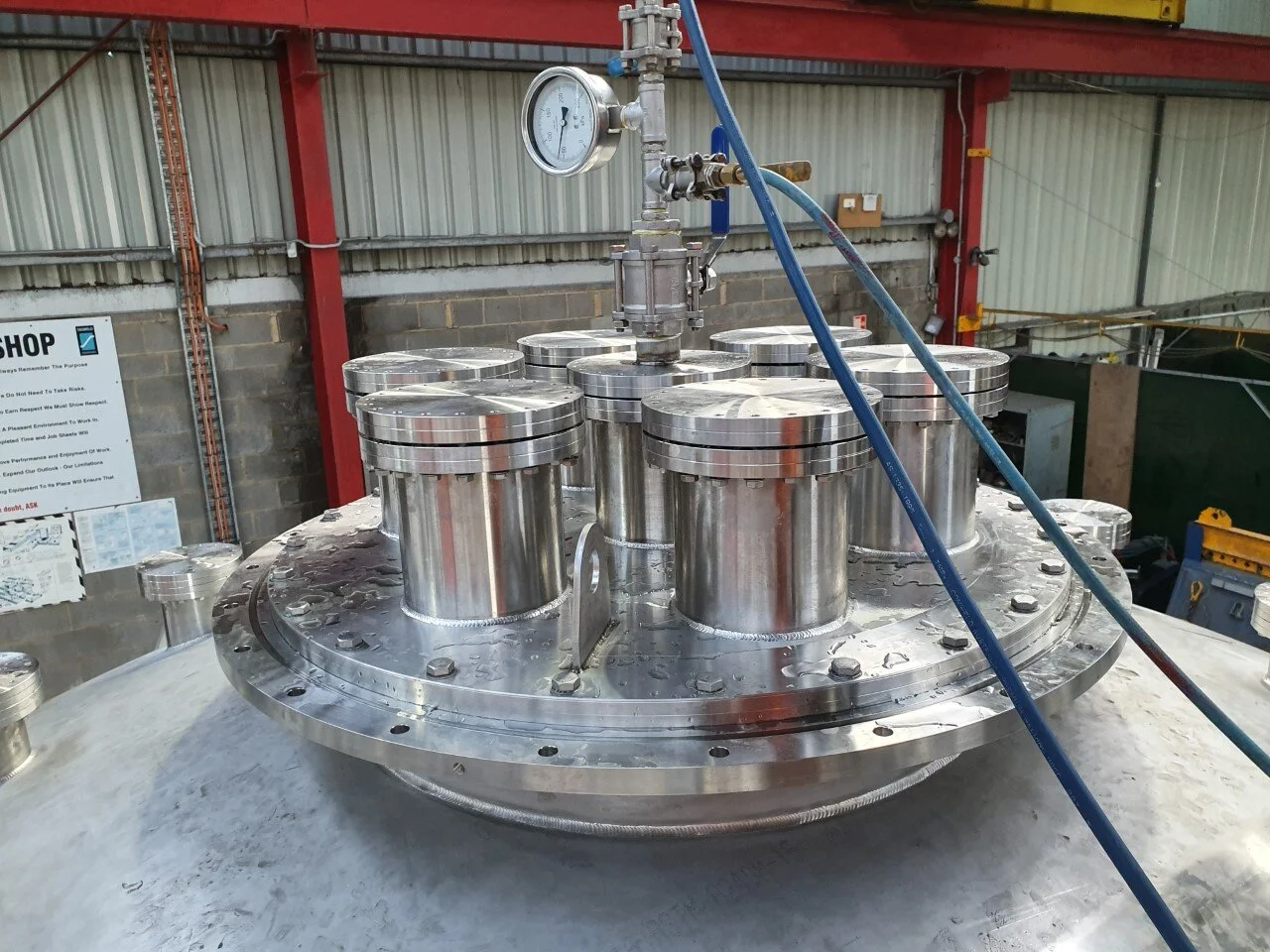
Read MoreThe Centre is pursuing several research avenues in its search for WIMP dark matter. The most mature of these is the SABRE experiment, though we are also pursuing research into other WIMP experiments in the research and development phase – including Cygnus and the low mass WIMP program.
Read MoreThe key features of a WIMP are that they are relatively heavy (with a mass anywhere from the mass of a proton to the mass of a heavy nucleus) and interact only feebly with ordinary matter.
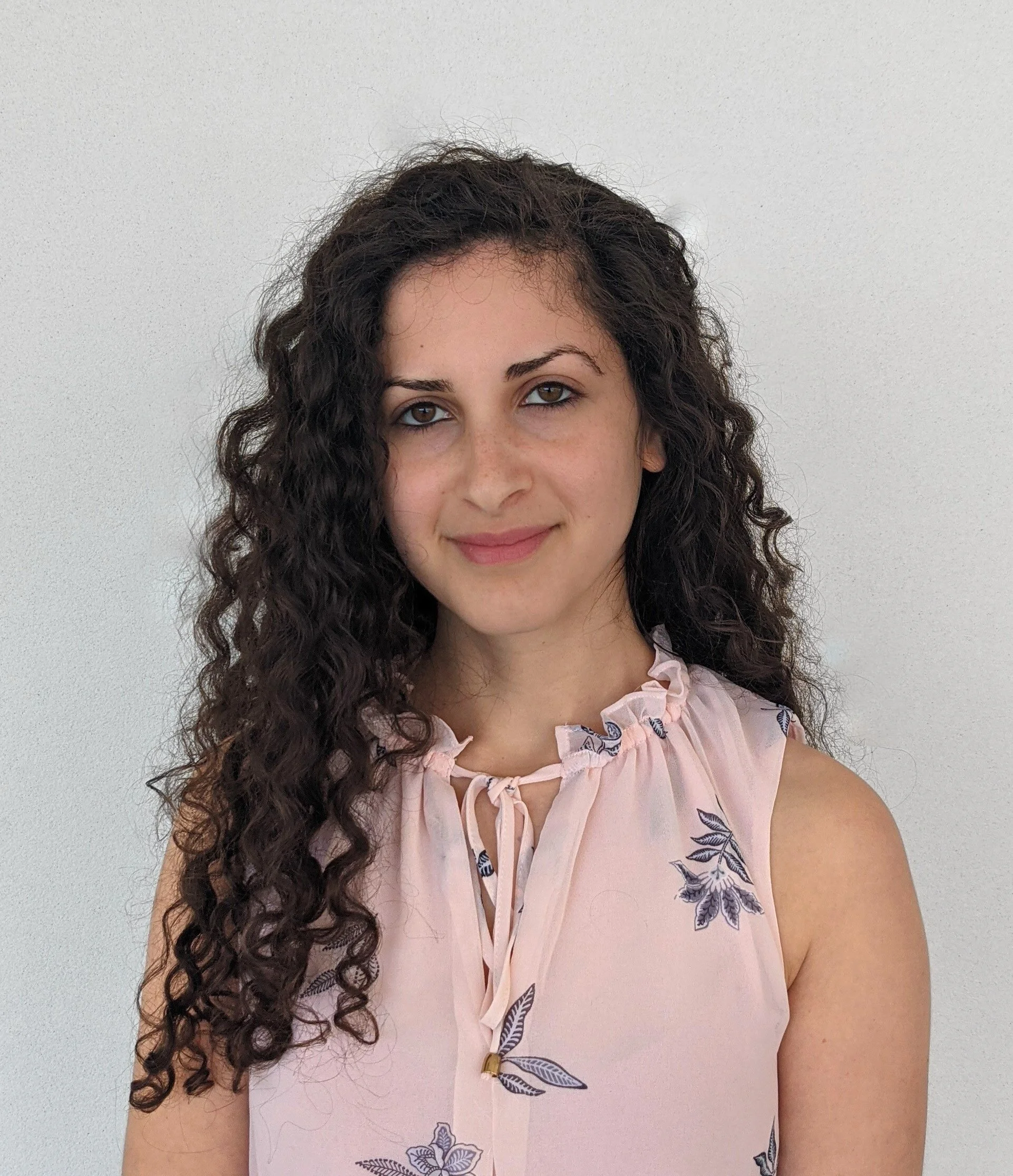
Read MoreEmily Filmer is studying upgrades to the ATLAS Detector, with a particular focus on the Inner Tracker Strip geometry, and Endcap module testing.
Read MoreCentre Authors: Tobar, M., Goryachev, M., McAllister, B., O'Hare, C.
Read MoreCentre Authors: Tobar, M., Goryachev, M., Thomson, C.
Read MoreCentre Authors: Bell, N., Thomas, A. W., Lane, G., Bignell, L., Froehlich, M., Slavkovska, Z., McKie, L., Urquijo, P., Newstead, J., McNamara, P., O'Hare, C., Boehm, C., Mosbech, M., Dastgiri, F., Sengupta, D., Bolognino, I., Hill, G., Jackson, P., Spooner, N., Stuchbery, A.
Read MoreCentre Authors: Duffy, A., Flynn, C., Batten, A.
Centre Authors: Tobar, M., Goryachev, M., McAllister, B.
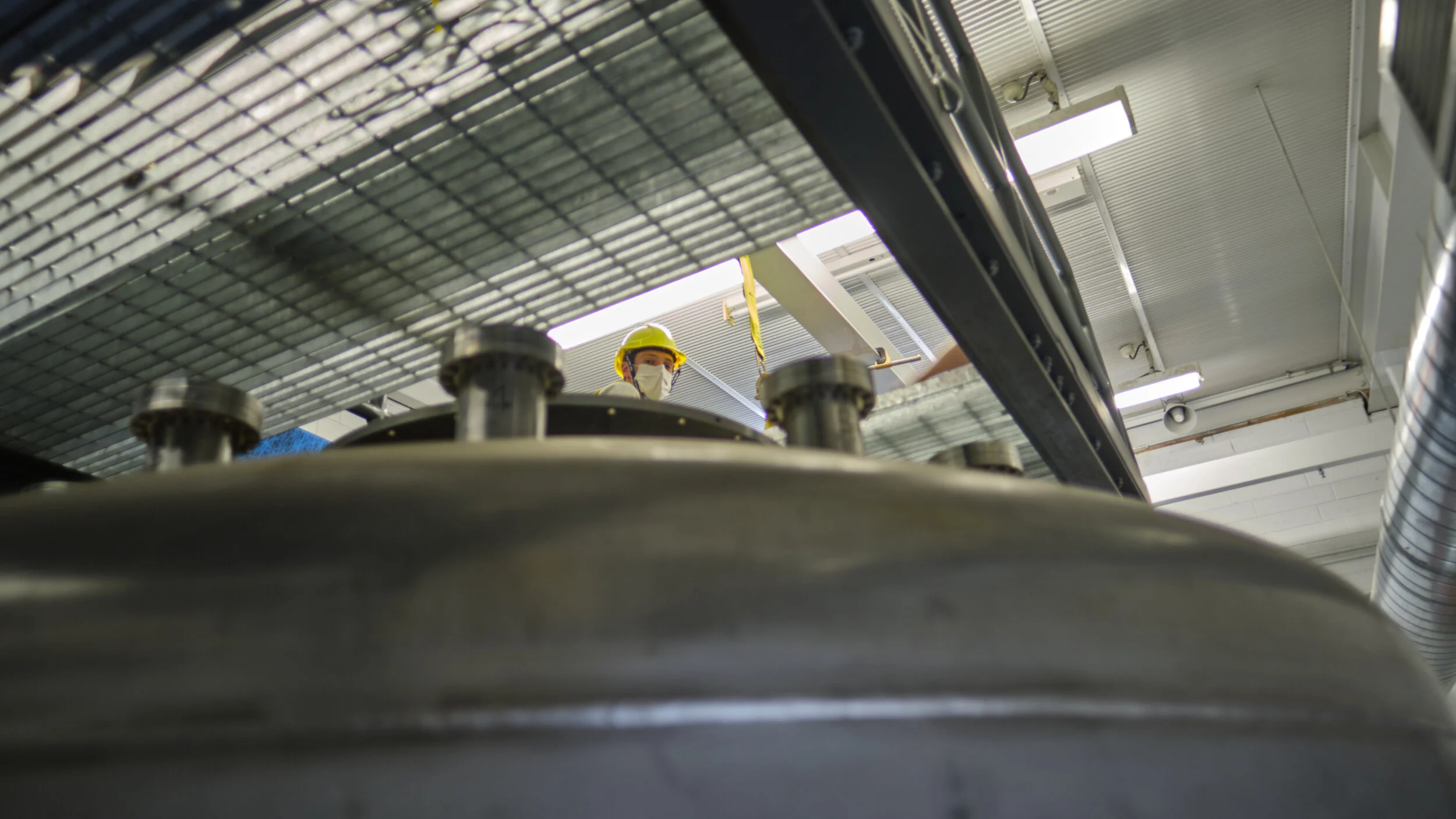
Read MoreYou won’t see any white lab coats among the scientists taking part in confined spaces training that will enable then to work with, and in, the SABRE vessel.
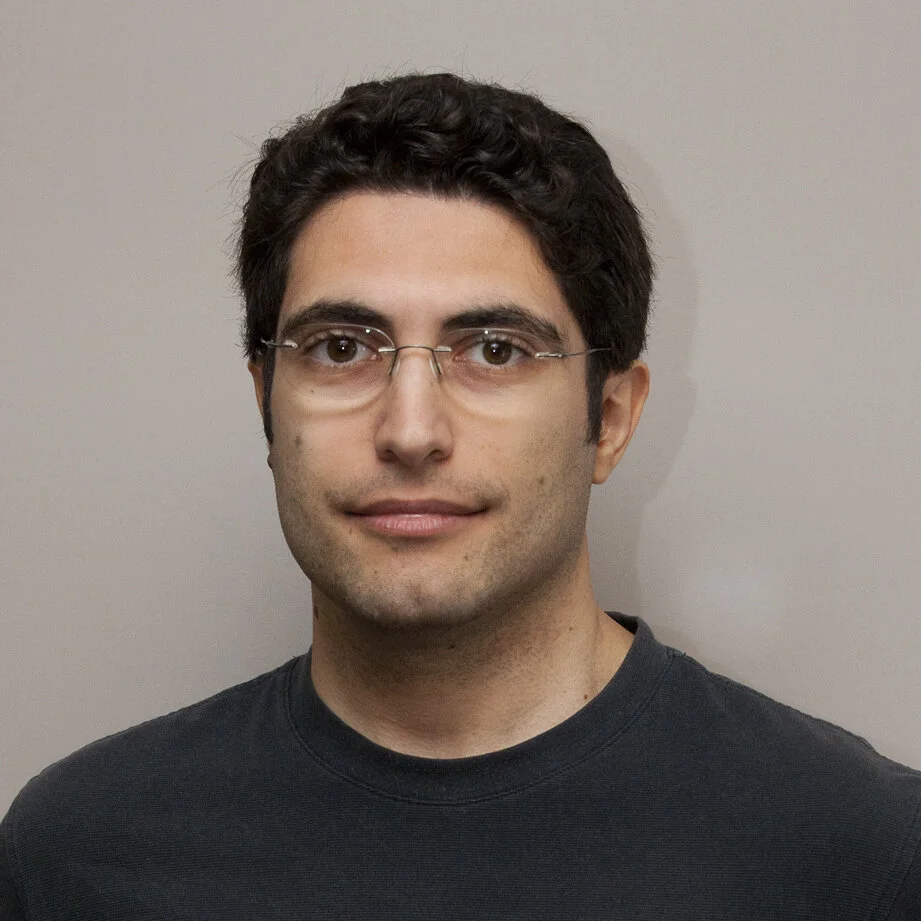
Read MoreFerdos Dastgiri is a PhD student working on dark matter Direct Detection and Metrology in SABRE and CYGNUS.
Read MoreThe Centre has found a site to store 12 tonnes of liquid scintillator fluid before it is transported to Stawell to be used in the SABRE experiment.
Read MoreYiyi Zhong’s area of research is SABRE experimental backgrounds: simulations and measurements of the cosmogenic radiobackgrounds in NaI(Tl), measurements of the intrinsic backgrounds in the crystal powder, and veto liquid scintillator characterization and background measurements.
Read MoreDr Federico Scutti (Swinburne University of Technology) and worked on Heavy Neutrino research with data collected by the ATLAS experiment at the Large Hadron Collider, experimental research for the SABRE dark matter experiment, coordinating the software architecture development and the characterisation of the muon system. He has also been involved in muon flux measurement at SUPL.
Read MoreAs Centre Director, Professor Barberio will be responsible for the Centre’s overall strategic direction and operations, with advice from the relevant Centre committees.
Read MoreProfessor Alan Duffy is an experienced computational astrophysicist, running large-scale supercomputer simulations to test the growth of dark matter structures.
Read MoreProfessor Gregory Lane is an internationally recognised leader in nuclear structure physics, especially using the techniques of time-correlated gamma ray and electron spectroscopy for investigations of exotic nuclei.
Read MoreProfessor Andrew Stuchbery is widely regarded for innovation of experimental techniques to measure electromagnetic moments in radioactive nuclei.
Read More