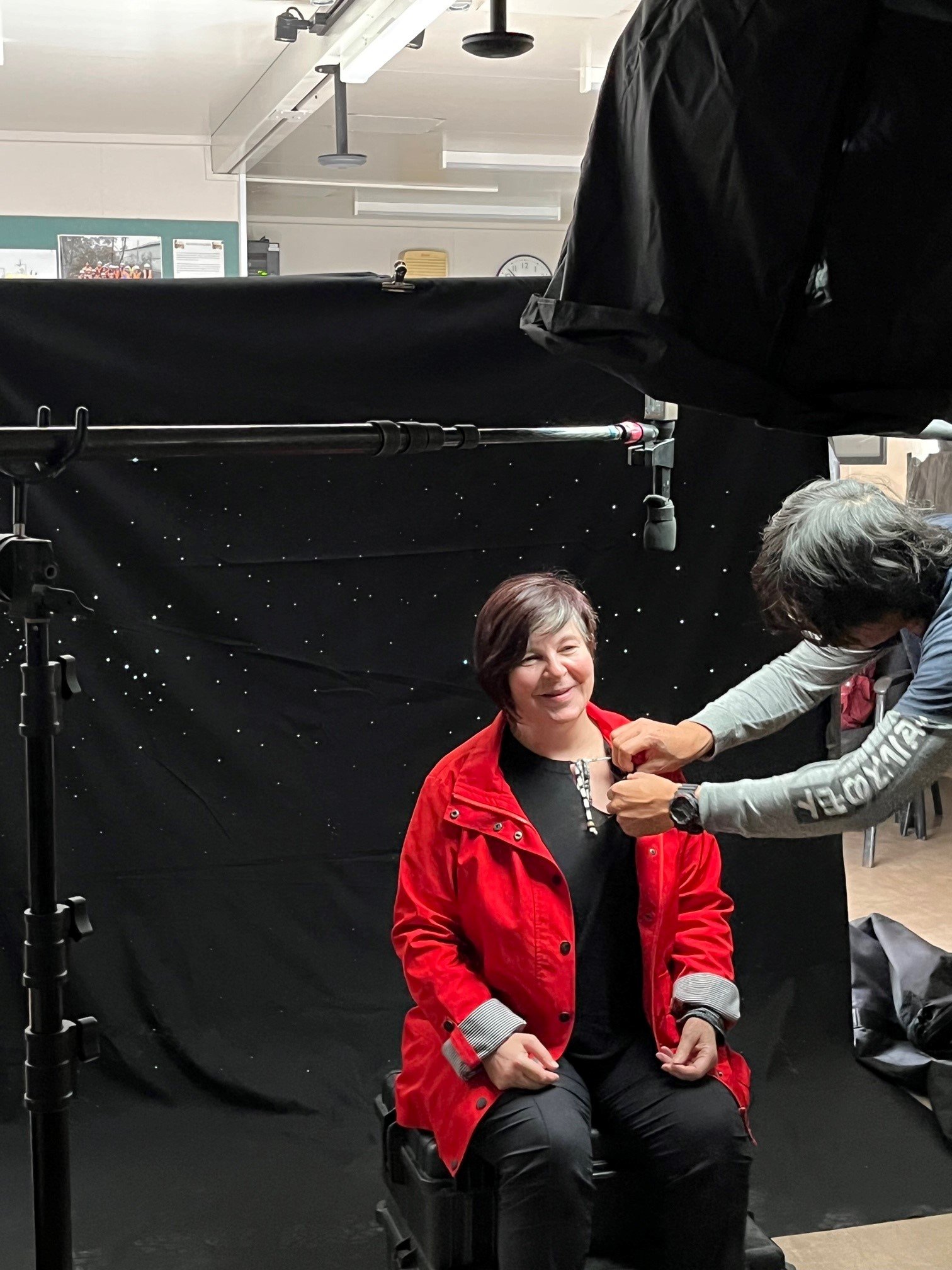
Emeritus Professor Robyn Owens, mathematician and ARC Centre for Dark Matter Particle Physics of the University of Western Australia, has been recognised for her 'significant service to science in computer vision and mathematics.'
Read More
Emeritus Professor Robyn Owens, mathematician and ARC Centre for Dark Matter Particle Physics of the University of Western Australia, has been recognised for her 'significant service to science in computer vision and mathematics.'
Read MoreProfessor Nicole Bell spoke to Cosmos Magazine about neutrinos and dark matter, the known and unknown components of the "hidden universe".
Read MoreCentre Authors: Quiskamp, Aaron, McAllister, Ben, Tobar, Michael, Goryachev, Maxim, Ivanov, Eugene, O'Hare, Ciaran, Altin, Paul
Read MoreCaterina Doglioni is a professor at the University of Manchester and a member of the ATLAS Collaboration at the LHC.
Read MoreCentre Authors: McAllister, Ben, Tobar, Michael, Goryachev, Maxim, Thomson, Catriona, Ivanov, Eugene, Altin, Paul
Read MoreQDM Road-tripper and Centre Research Fellow Ben McAllister spoke to Sammy J on ABC Radio show Melbourne Breakfast.
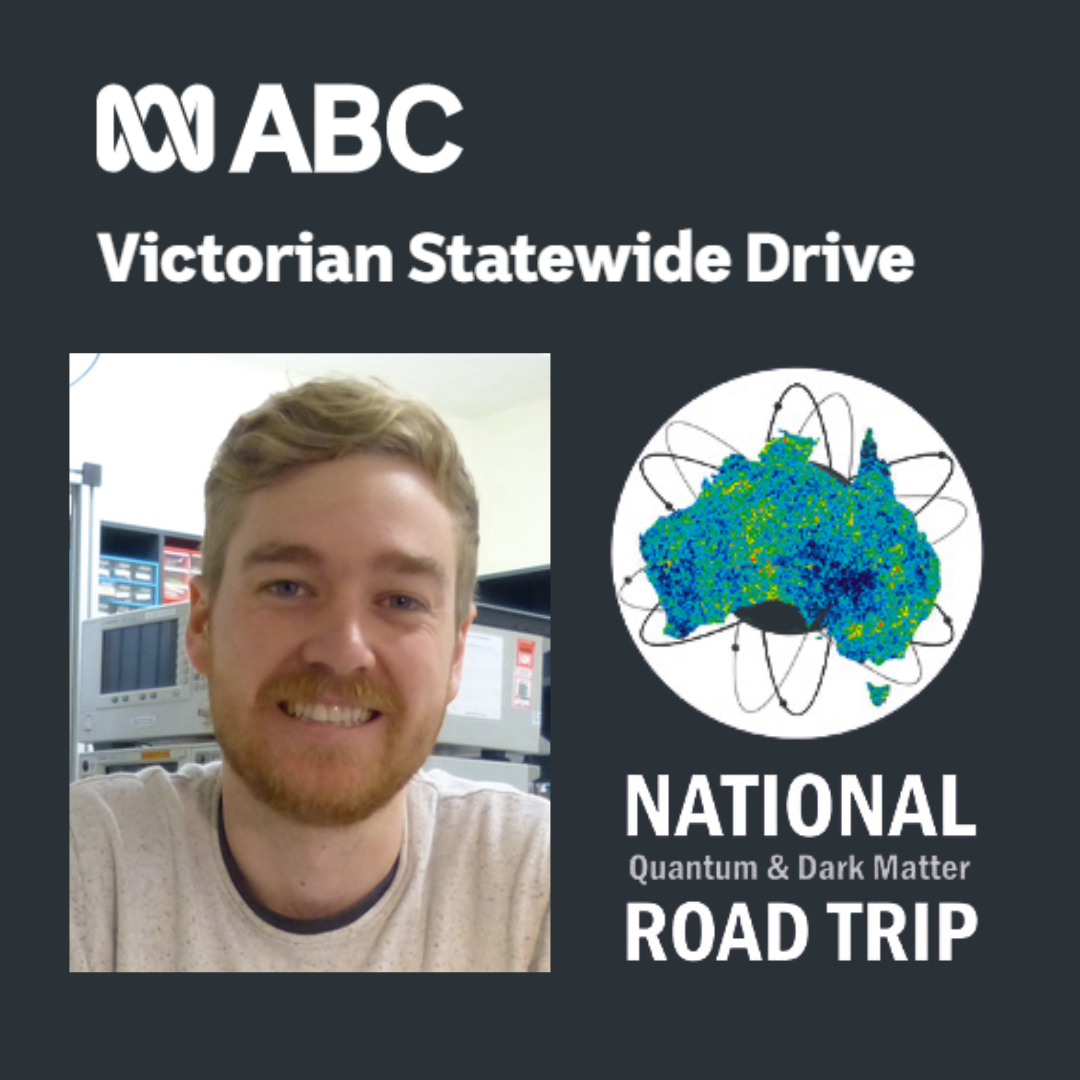
Read MoreCentre researcher and fellow Road-tripper Ben McAllister spoke to ABC Victorian Statewide Drive about the National Quantum & Dark Matter Road Trip that is to travel regional Australia in August 2023.
Read MoreBen Li is currently working on polarisation detection, mainly designing a novel polarimeter using techniques displayed by biological life.
Read MoreRaghda Abel Khaleq: Physics PhD Student and Visual Artist Interviewed for SciArt
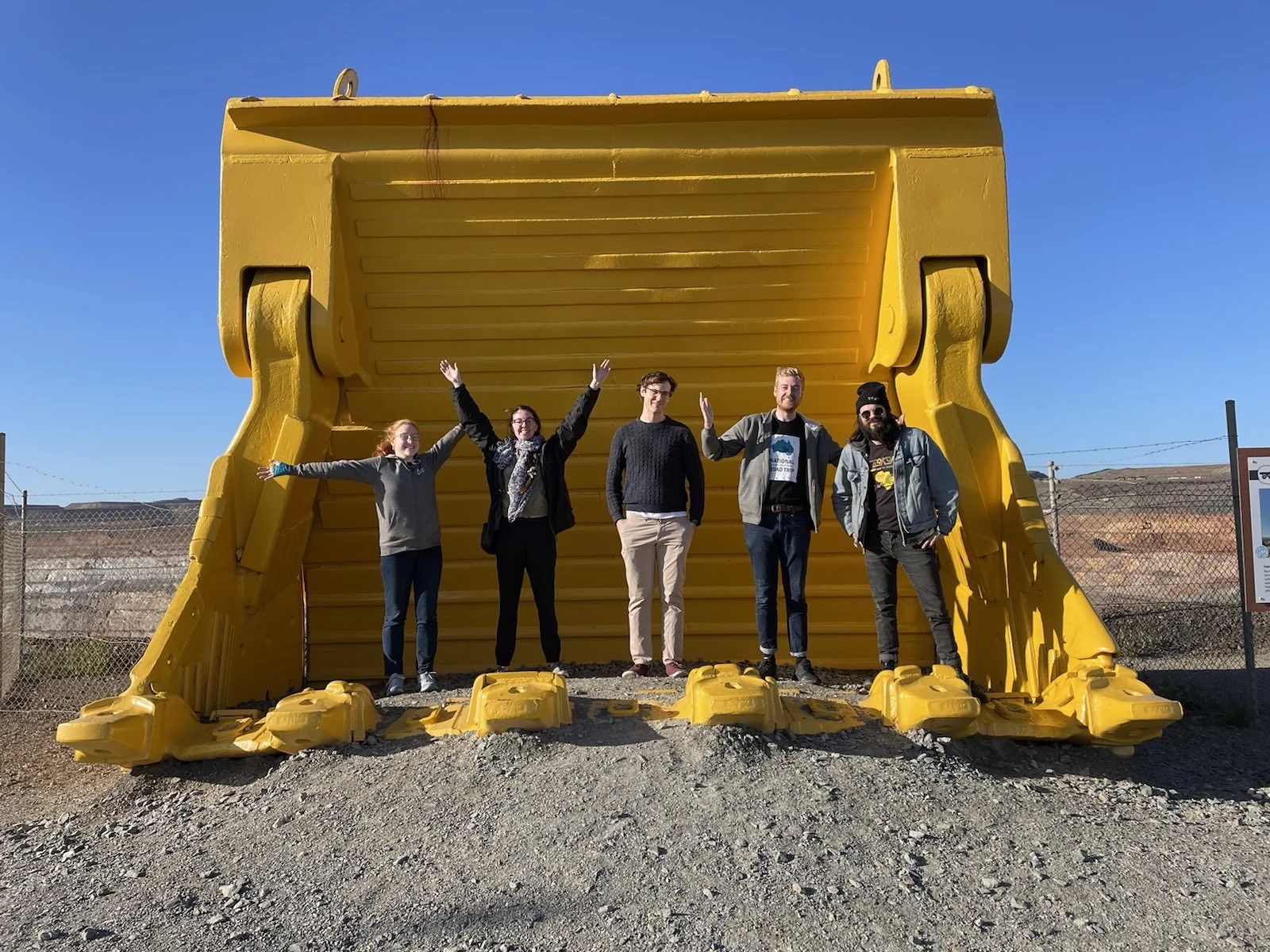
Read MoreThe National Quantum & Dark Matter Road Trip will set off to visit Australian schools and communities between 6 and 26 August.
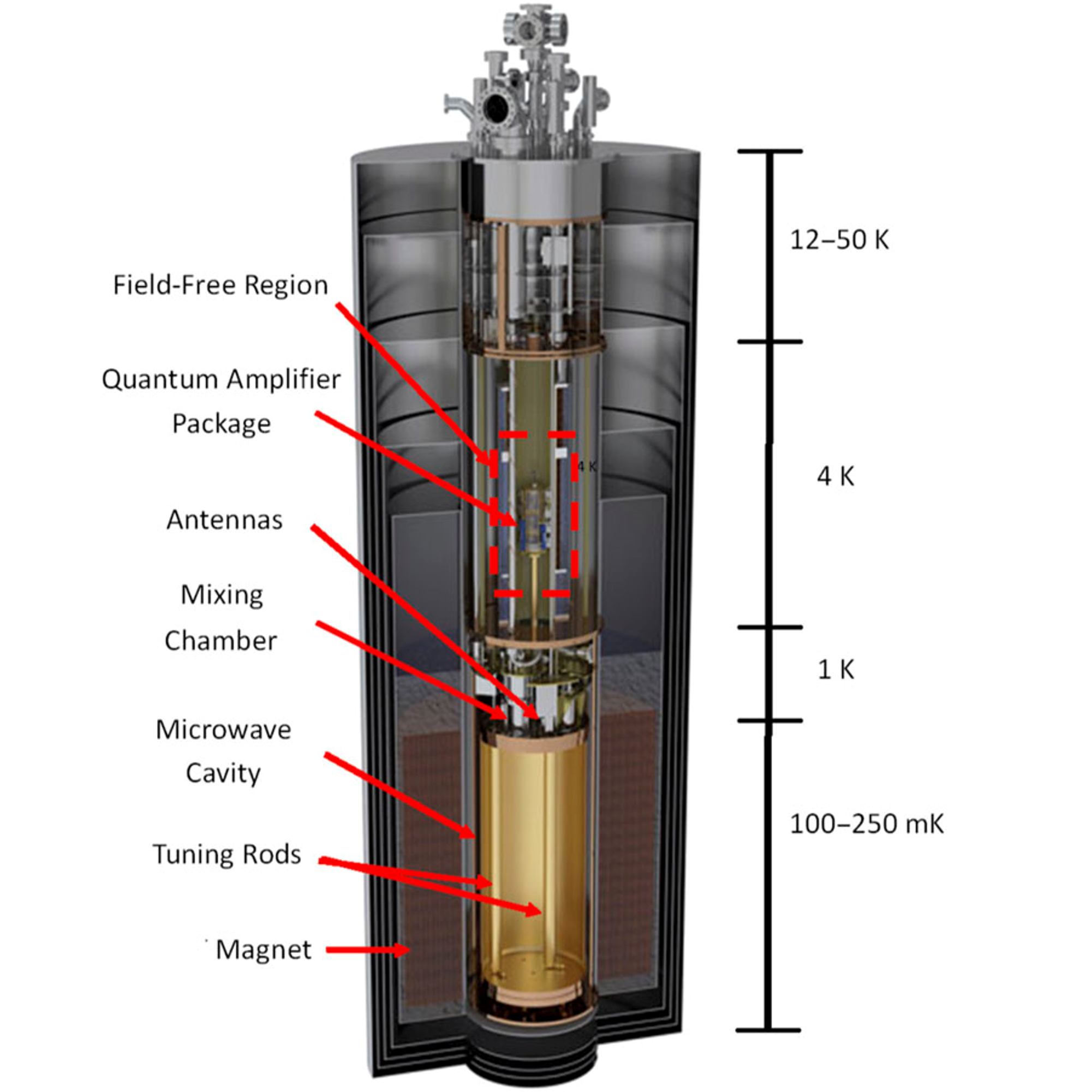
Read MoreADMX is an axion haloscope located at the Center for Experimental Nuclear Physics and Astrophysics (CENPA) at the University of Washington. The experiment uses a strong magnetic field to convert dark matter axions to detectable to microwave photons.
Read MoreTheresa is part of the SABRE South collaboration, where she is leading the PMT working group. She continues to work on the LZ experiment, while also addressing challenges for a next generation liquid xenon detector within the XLZD consortium.
Read MoreThe ANU is helping to build Australia's capacity for the responsible use of nuclear science and technologies. As Australia’s only national university ANU commits to deepening its world-class research and education in fields essential for responsible use of nuclear technology.
Read MoreProfessor Chris Power is a theoretical and computational astrophysicist based at the International Centre for Radio Astronomy Research at the University of Western Australia.
Read MoreAdam Batten is a Postdoctoral Research Associate at Swinburne University of Technology.
Read MoreDr Peter Cox is a particle theorist at the University of Melbourne and an ARC DECRA fellow.
Read MoreJade is the Database Administrator for the Centre and the SABRE South Experiment
Read MoreWorld leading researchers with more than twenty years of sucessfully building liquid xenon Dark Matter detectors unite XLZD Consortium. DARWIN, LZ and XENONnT have the same scientific goals but differ in technical details. XLZD are able to explore and select the best options from both worlds, strengthening R&D efforts by combining ideas and resources.
Read MoreAustralian dark matter researchers will boost their innovative thinking with a pilot program at IdeaSquare, CERN in Switzerland.
Read MoreThe Catalyst explored the extraordinary projects being undertaken around the world to find dark matter, including 1km underground in Stawell.
Read More