
Lighter than a WIMP, but more of them…
Read MoreWhy we would expect an annual variation in the dark matter count rate.
Read MoreAn overview of how the SABRE dark matter detector works.
Read MoreSUPL will be the home of the SABRE South dark matter detector.
Read MoreThe SABRE experiment has two sites- one in Italy, and the other to be in Victoria.
Read More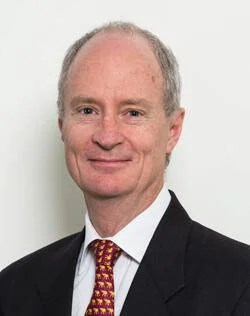
Dr. Richard Garrett (ANSTO) is Senior Advisor, Strategic Projects, and Manager, Industry and External Engagement at the Australian Nuclear Science and Technology Organisation.
Read More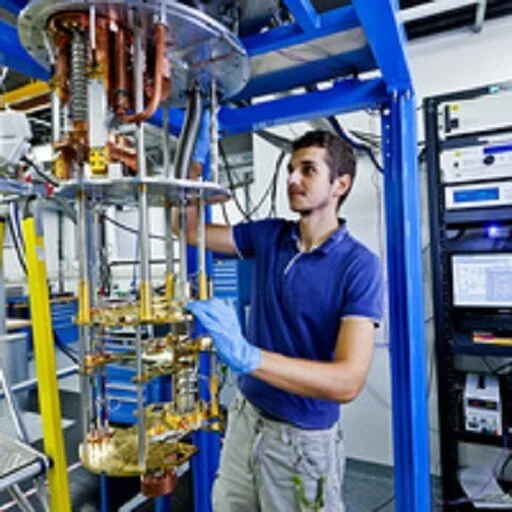
Dr Maxim Goryachev is an established physicist with vast experience in low-temperature and condensed-matter physics, frequency measurement and control, low-noise and precision measurements, photonic and phononic low-loss systems, and paramagnetic and ferrimagnetic spin systems at low temperatures.
Read More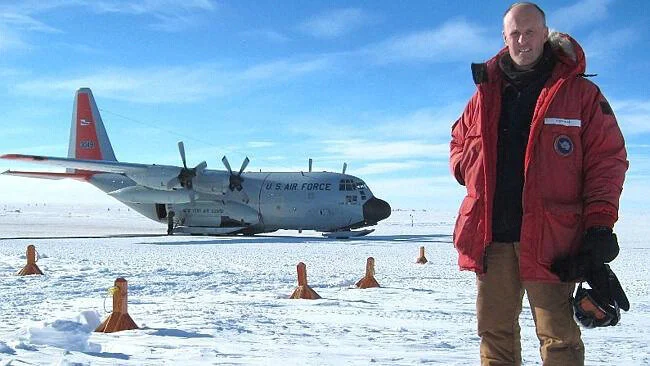
Associate Professor Gary Hill is an accomplished astrophysicist in the area of high-energy neutrino detection, with expertise in low-signal/high-background data analysis.
Read More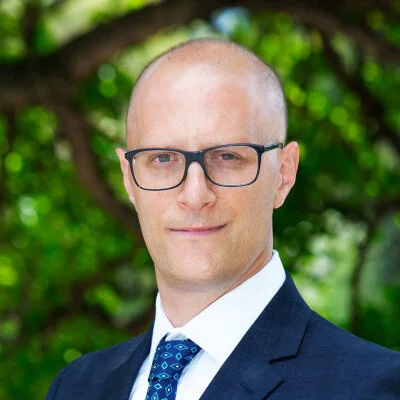
Professor Paul Jackson is an experimental particle physicist specialising in searches for beyond the Standard Model physics, primarily using detectors situated at particle colliders.
Read More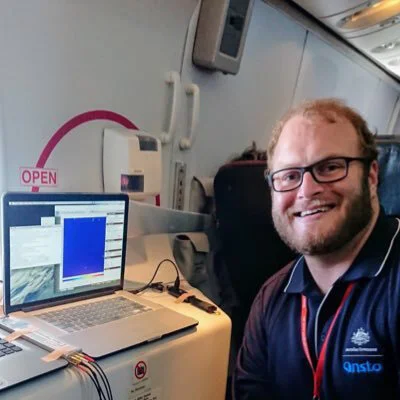
Dr. Prokpopovich is an experienced researcher in the area of low-level and low-background radiation measurement, areas of interest both to the design of direct-detection experiments, and the environments in which they are located.
Read More
Professor Phillip Urquijo is a leading experimental particle physicist, with considerable experience in the management of large physics experiments, and is involved in the development and construction of SABRE South and data analysis tools for experiments at SUPL.
Read More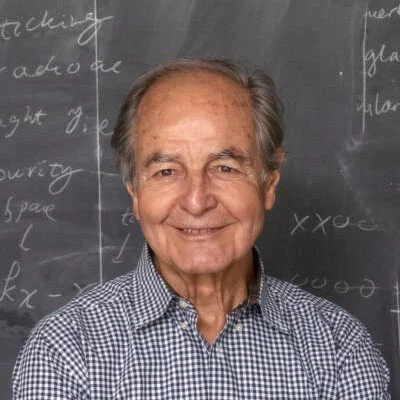
Professor Frank Calaprice is a world-renowned experimental physicist in the field of nuclear and particle astrophysics, and is widely recognised as a leading authority in the field of very-low-background, low-counting-rate experiments.
Read More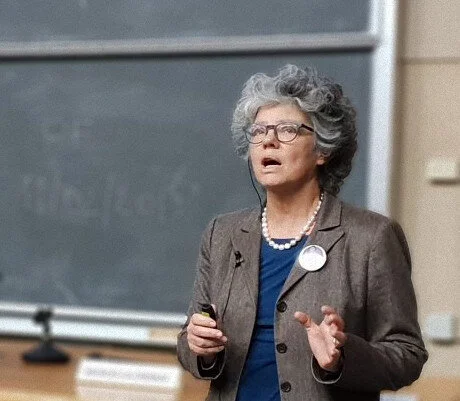
Professor Marcella Diemoz (INFN Roma) has over thirty years of experience in high-energy physics including a variety of international leadership roles within the CMS experiment at the Large Hadron Collider.
Read More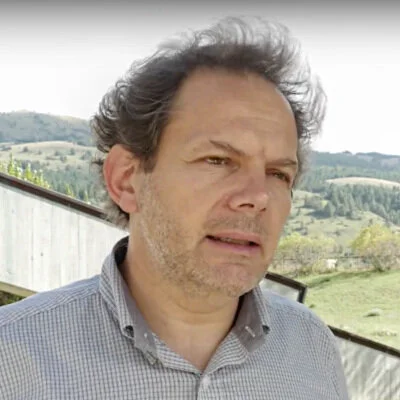
Dr. Aldo Ianni (LNGS) has considerable experience in the development and operation of dark-matter direct-detection experiments in low-radiation underground environments.
Read More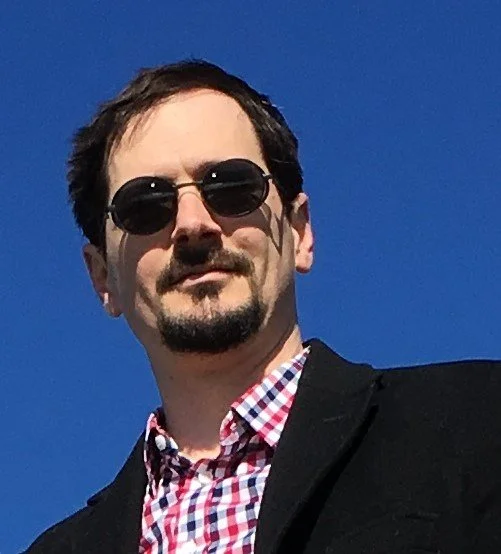
Associate Professor Gray Rybka (Uni of Washington) is a leading researcher in the area of axion direct-detection searches.
Read More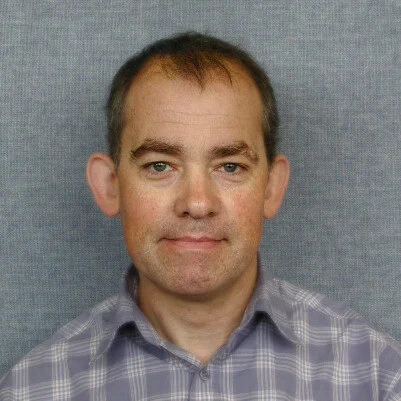
Professor Neil Spooner (Uni of Sheffield) is a world-leading expert in dark matter detection and neutrino physics, including development of directional dark-matter direct-detection methods.
Read More