
Centre Authors: Tobar, M., Goryachev, M., McAllister, B.
Read More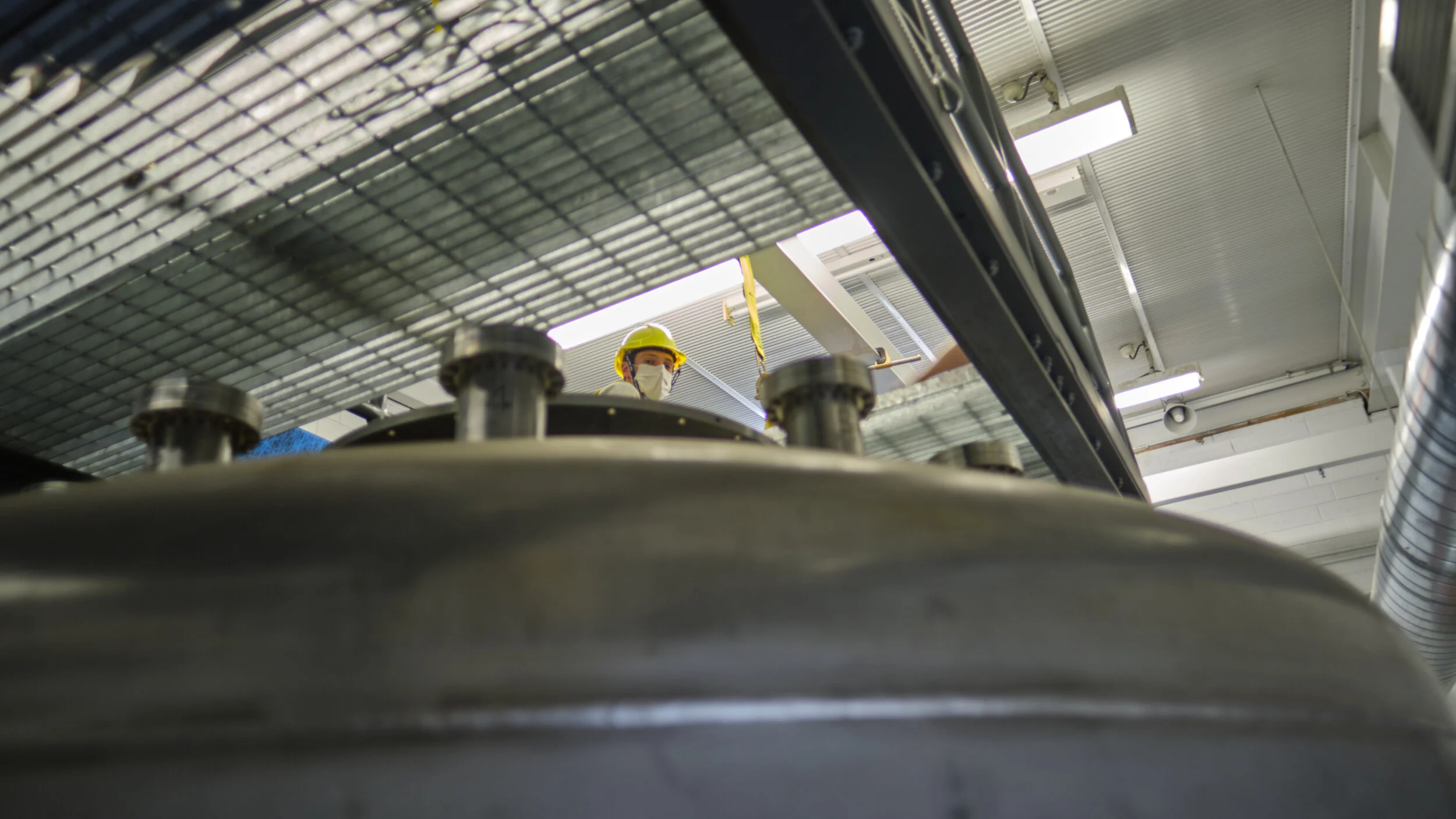
You won’t see any white lab coats among the scientists taking part in confined spaces training that will enable then to work with, and in, the SABRE vessel.
Read More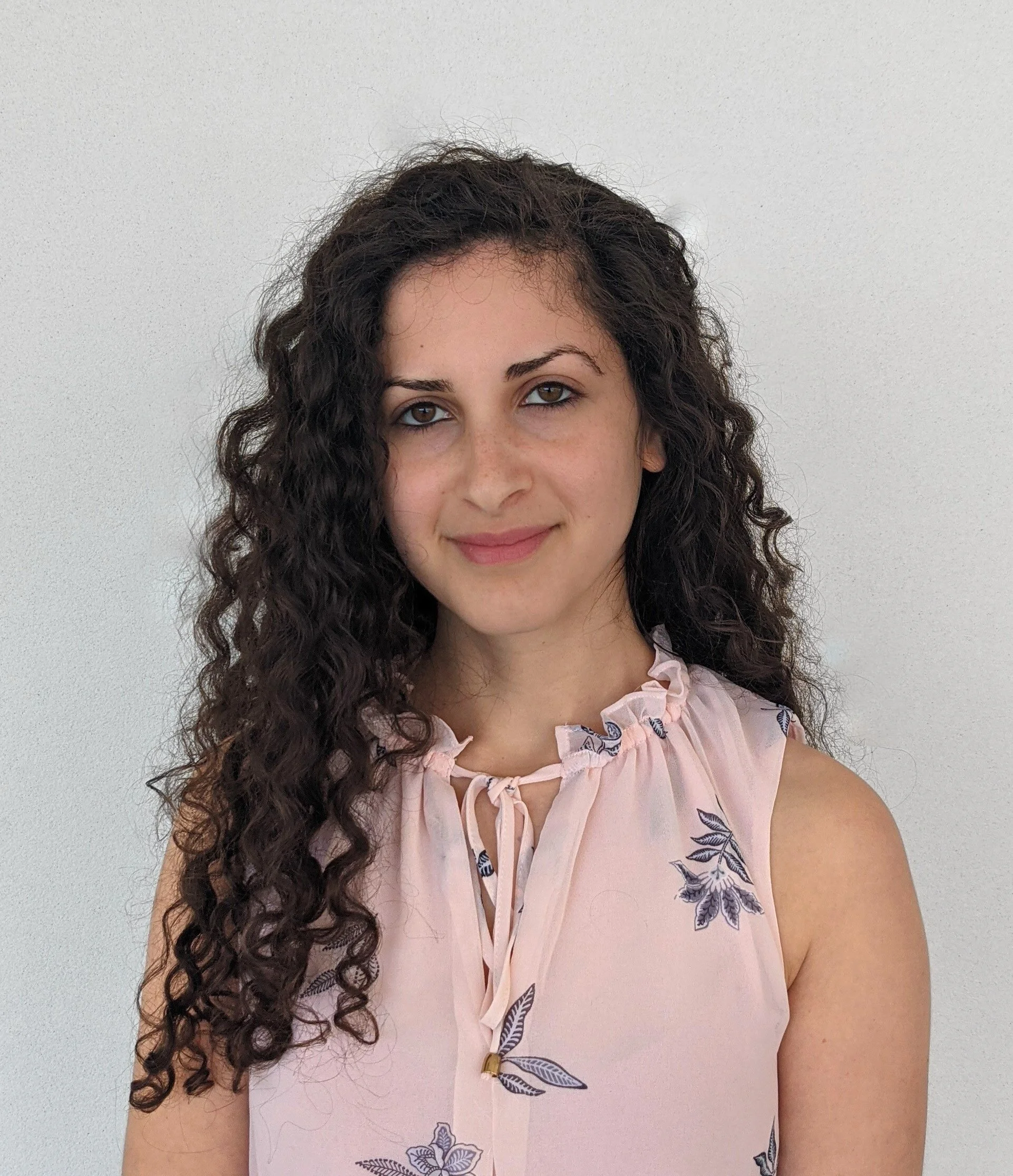
Ferdos Dastgiri is a PhD student working on dark matter Direct Detection and Metrology in SABRE and CYGNUS.
Read More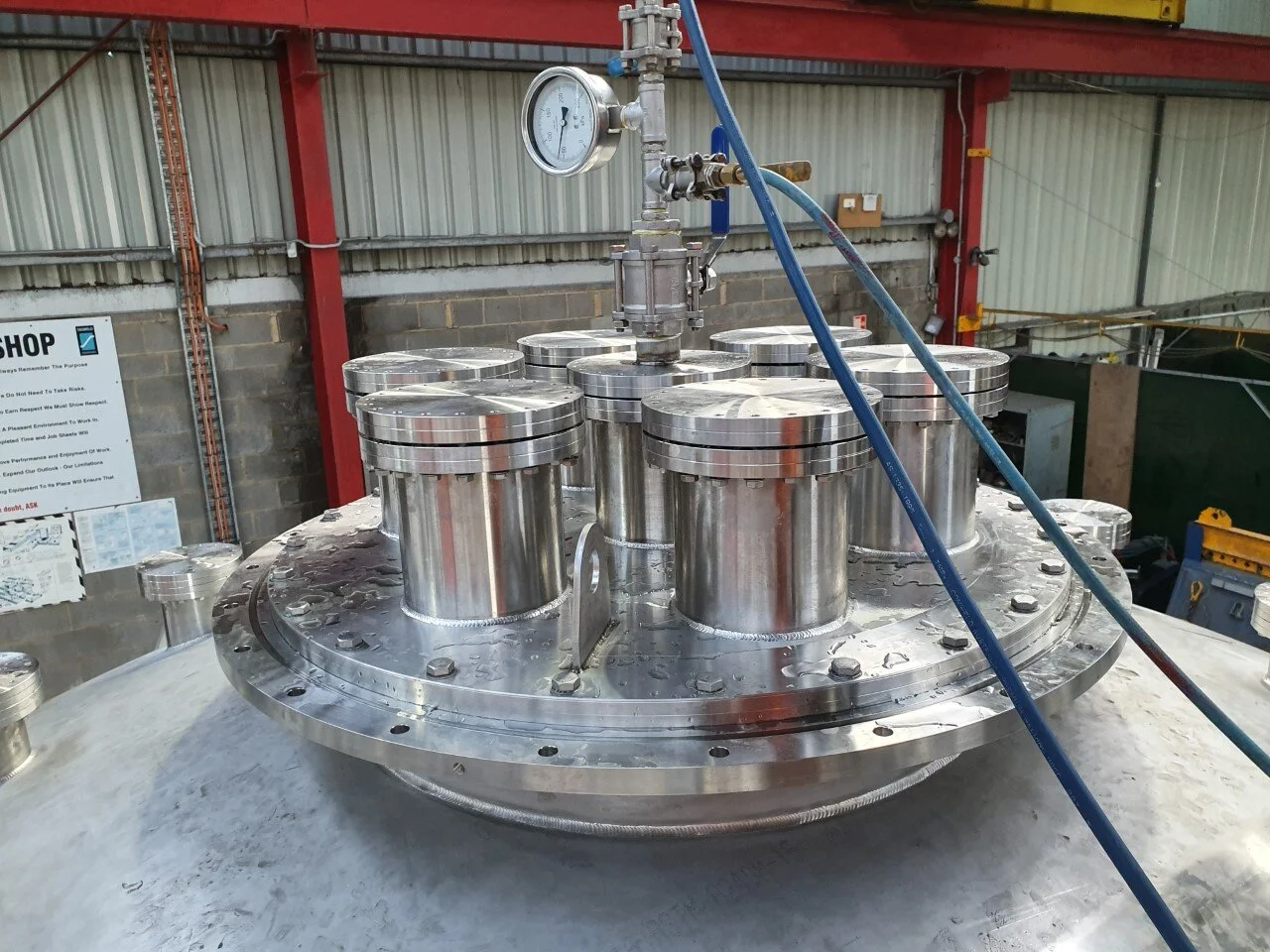
The Centre has found a site to store 12 tonnes of liquid scintillator fluid before it is transported to Stawell to be used in the SABRE experiment.
Read More
Yiyi Zhong’s area of research is SABRE experimental backgrounds: simulations and measurements of the cosmogenic radiobackgrounds in NaI(Tl), measurements of the intrinsic backgrounds in the crystal powder, and veto liquid scintillator characterization and background measurements.
Read More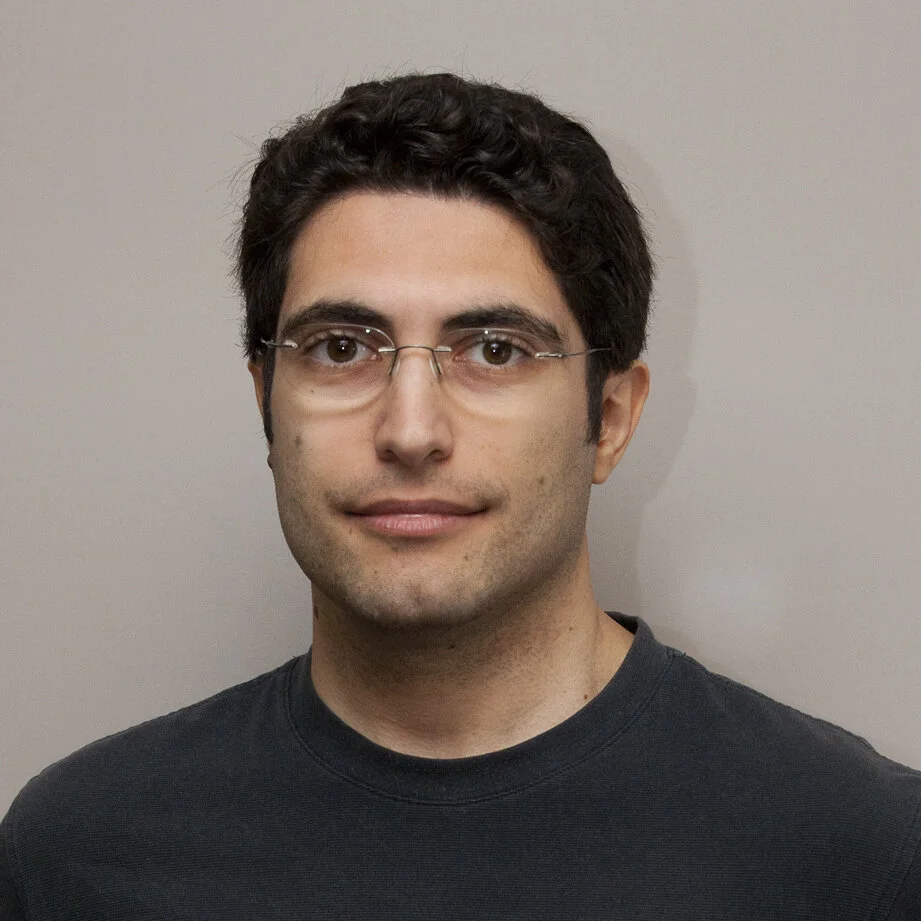
Dr Federico Scutti is a postdoctoral researcher at Swinburne University of Technology and has previously worked on Heavy Neutrino research with data collected by the ATLAS experiment at the Large Hadron Collider.
Read More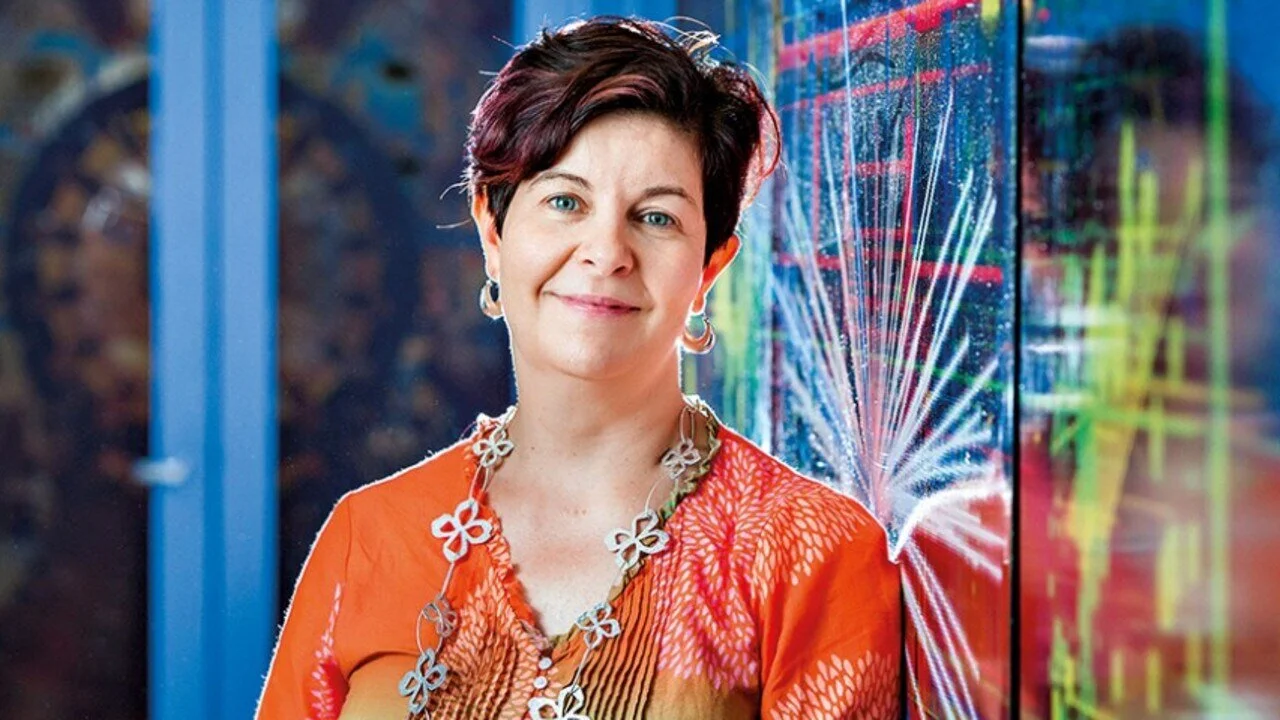
As Centre Director, Professor Barberio will be responsible for the Centre’s overall strategic direction and operations, with advice from the relevant Centre committees.
Read More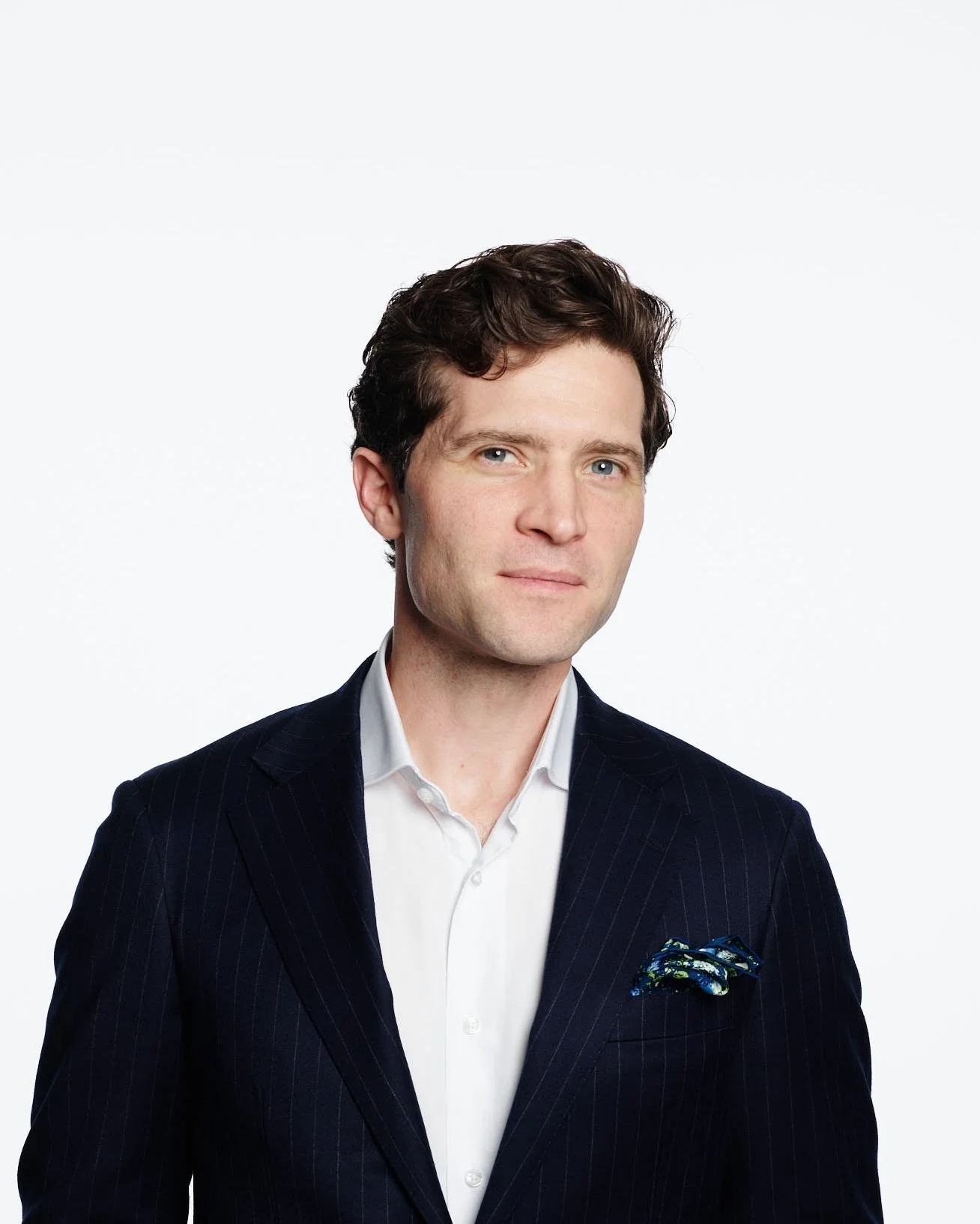
Professor Alan Duffy is an experienced computational astrophysicist, running large-scale supercomputer simulations to test the growth of dark matter structures.
Read More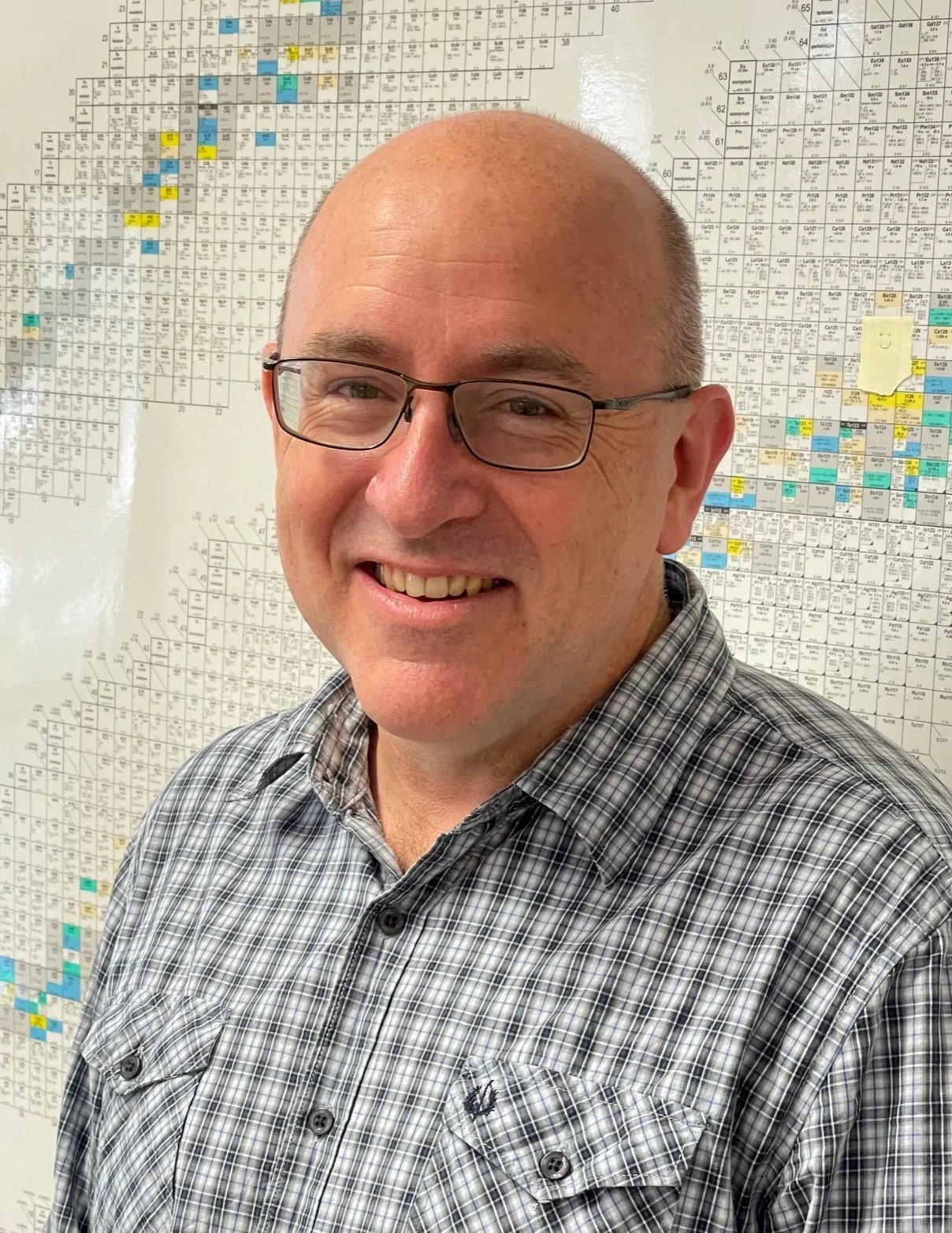
Professor Gregory Lane is an internationally recognised leader in nuclear structure physics, especially using the techniques of time-correlated gamma ray and electron spectroscopy for investigations of exotic nuclei.
Read More
Professor Andrew Stuchbery is widely regarded for innovation of experimental techniques to measure electromagnetic moments in radioactive nuclei.
Read More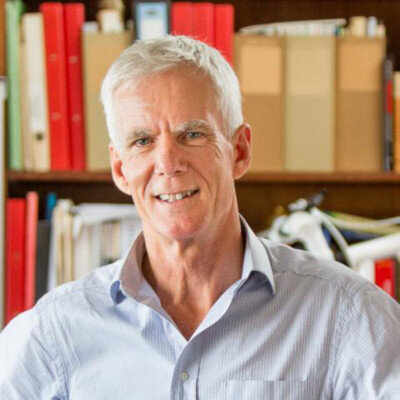
With 35 years’ experience in Australia’s high-energy physics program- including 20 years at the forefront of Australia’s involvement with CERN- Professor Taylor will lend his expertise to the Direct Detection and LHC/ATLAS search aspects of the Centre’s work.
Read More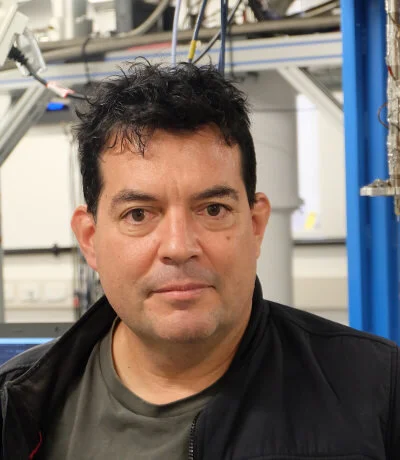
Michael E. Tobar is currently a Professor of Physics at the University of Western Australia School of Physics. Notably, between 2009 and 2014, he was awarded a Laureate Fellowship by the Australian Research Council.
Read More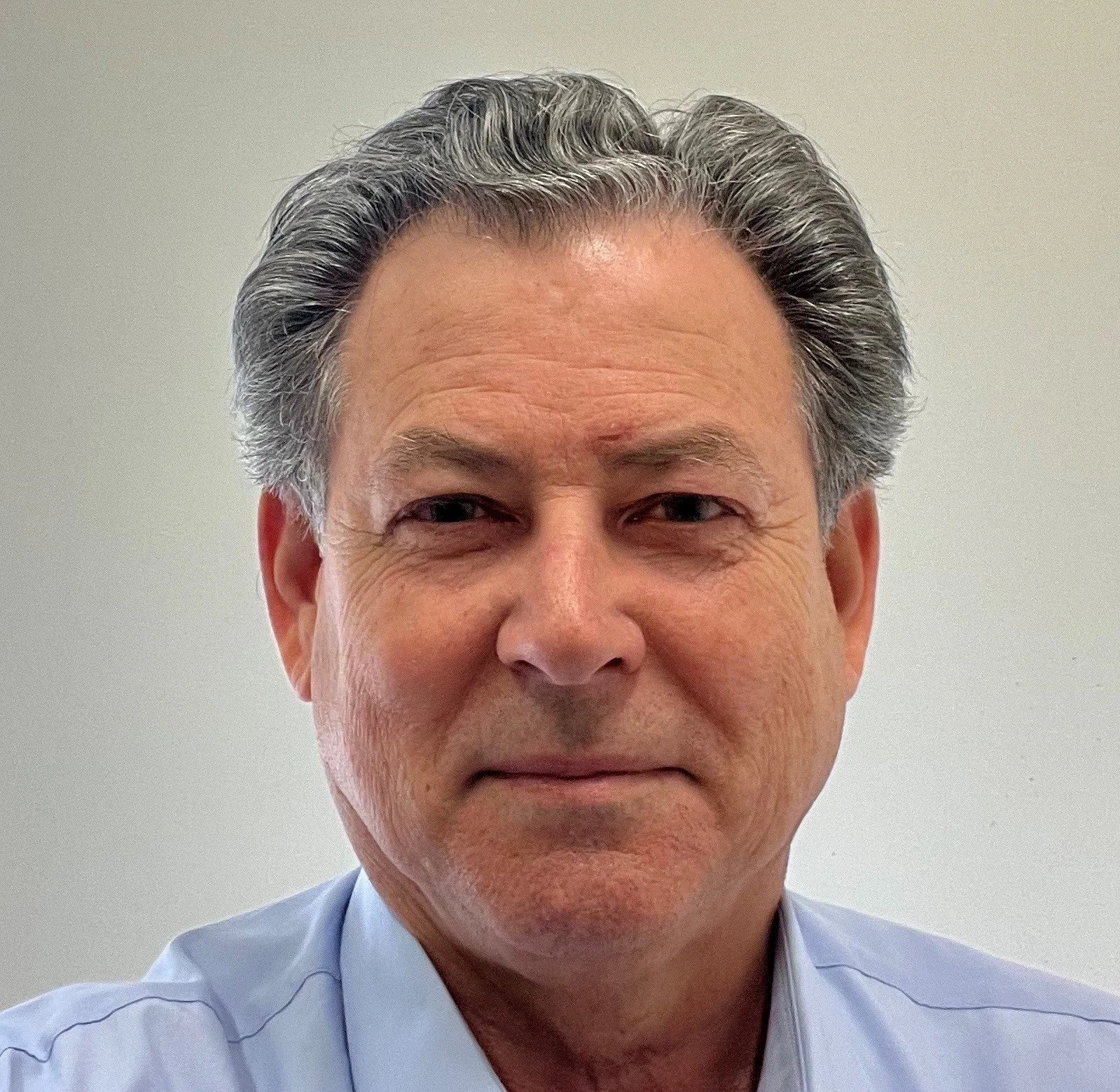
Professor Anthony Williams is an internationally recognized leader in the field of theoretical nuclear and particle physics. He has the role of Deputy Director in the Centre as well as being the Adelaide Node Manager. He won the Boas Medal for his research in particle physics in 2001 and is a Fellow of the American Institute of Physics and the Australian Institute of Physics.
Read More
Elrina Hartman’s area of research is a novel approach to WIMP detection via the characterisation of high-Q whispering gallery modes in cylindrical crystals.
Read More
Dr Graeme Flower’s area of research is axion dark matter detection experiments, applications of magnetic materials, and single-photon counting.
Read More
Thus far in these posts, we’ve discussed WIMPs, WISPs and axions. Whilst these- particularly WIMPs and axions- represent the prevalent candidate regimes for direct…
Read MoreUS funding extends the ADMX search for axions
Read MoreOccasional updates on the progress of the SABRE South experiment.
Read MoreAn axion-detection experiment at the University of Western Australia.
Read MoreHow does one detect an axion?
Read More