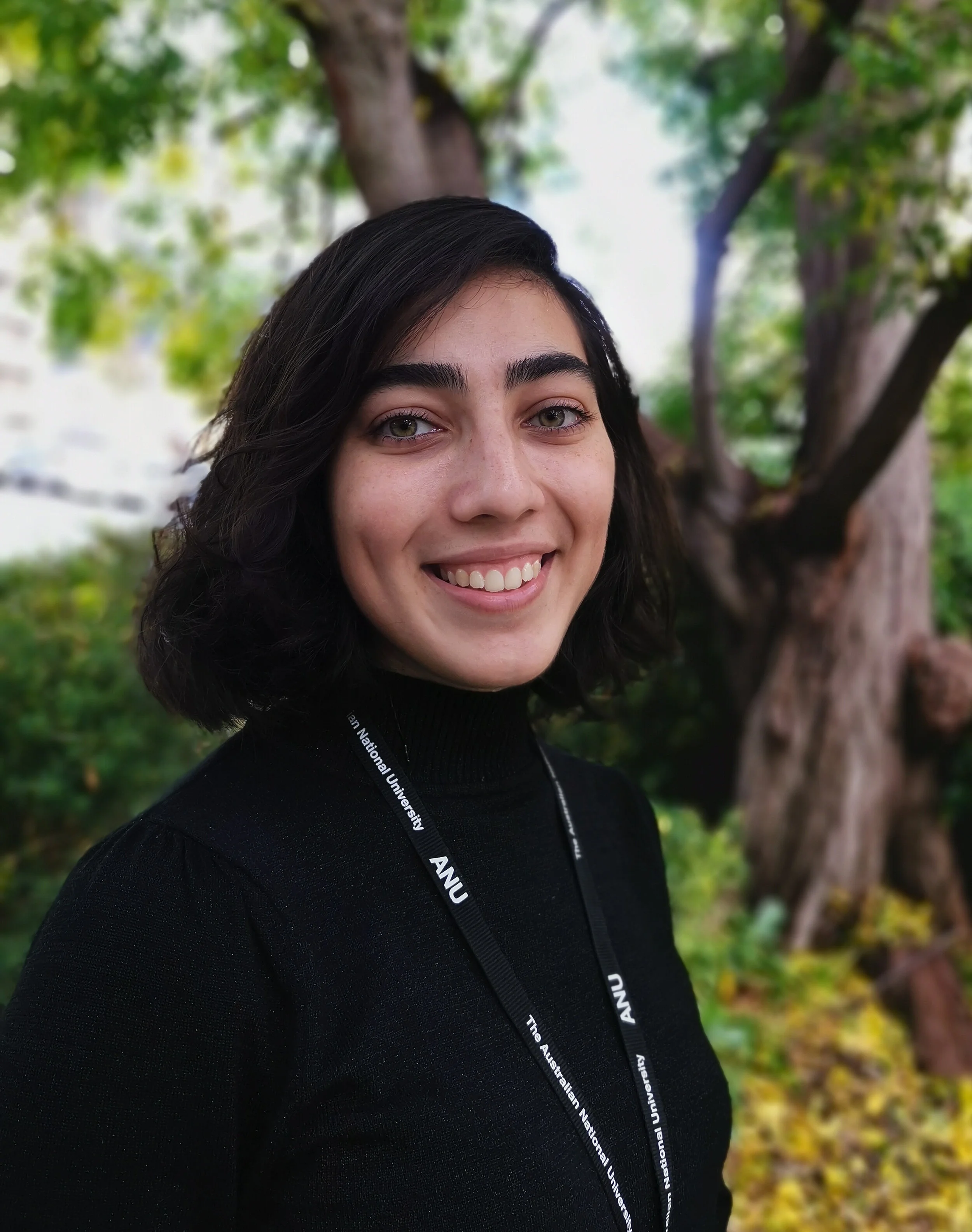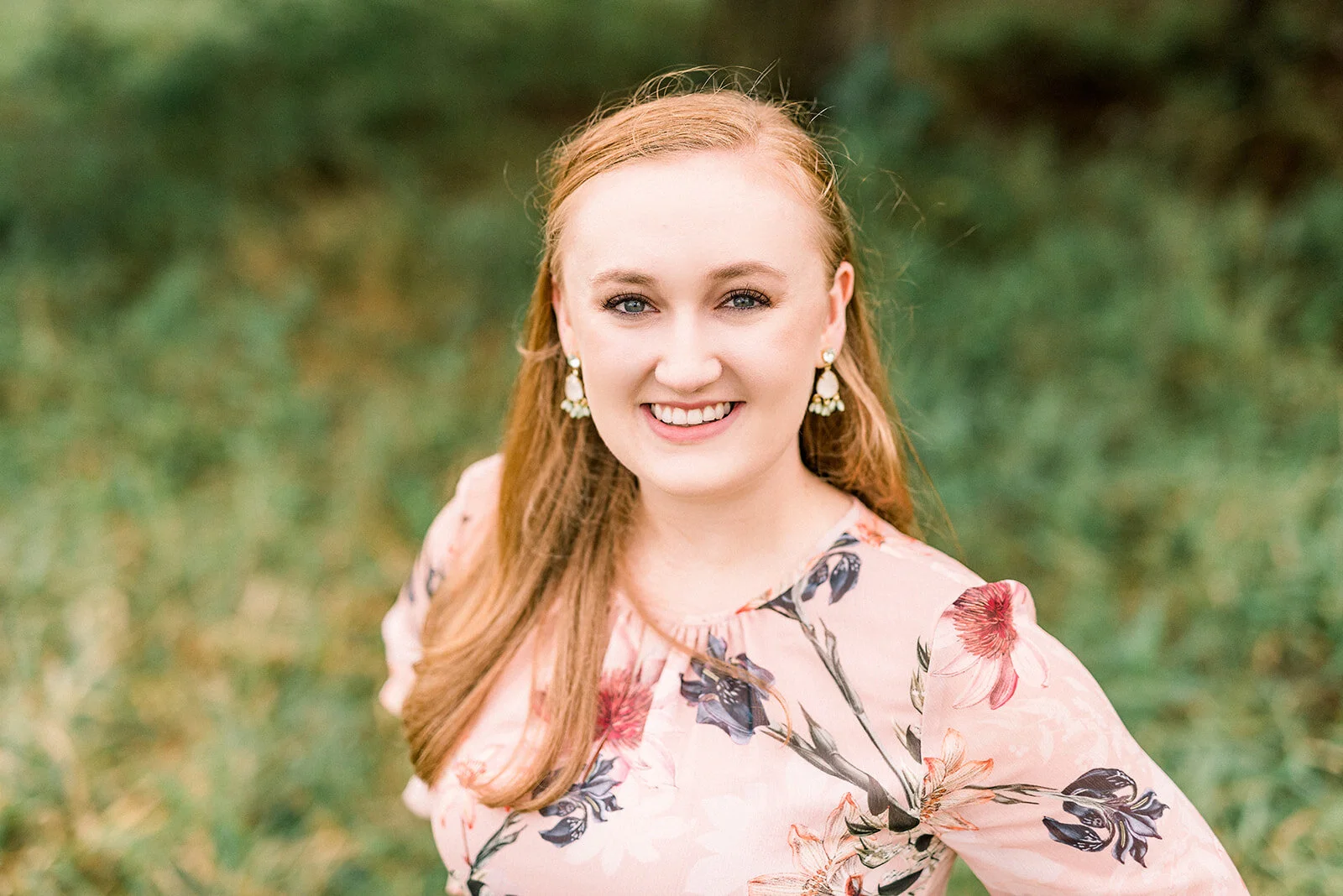
Gazing at the stars as a child, Grace Lawrence had no idea that this fascination with the stars would lead her to pursue a career in astronomy and to walk in the footsteps of one of the world’s greatest physicists, Albert Einstein.
Read More
Gazing at the stars as a child, Grace Lawrence had no idea that this fascination with the stars would lead her to pursue a career in astronomy and to walk in the footsteps of one of the world’s greatest physicists, Albert Einstein.
Read MoreIt is not just the big discoveries that drive Peter Cox in his research into the nature of dark matter, but also the small pieces of the puzzle he is helping to put in place along the way.
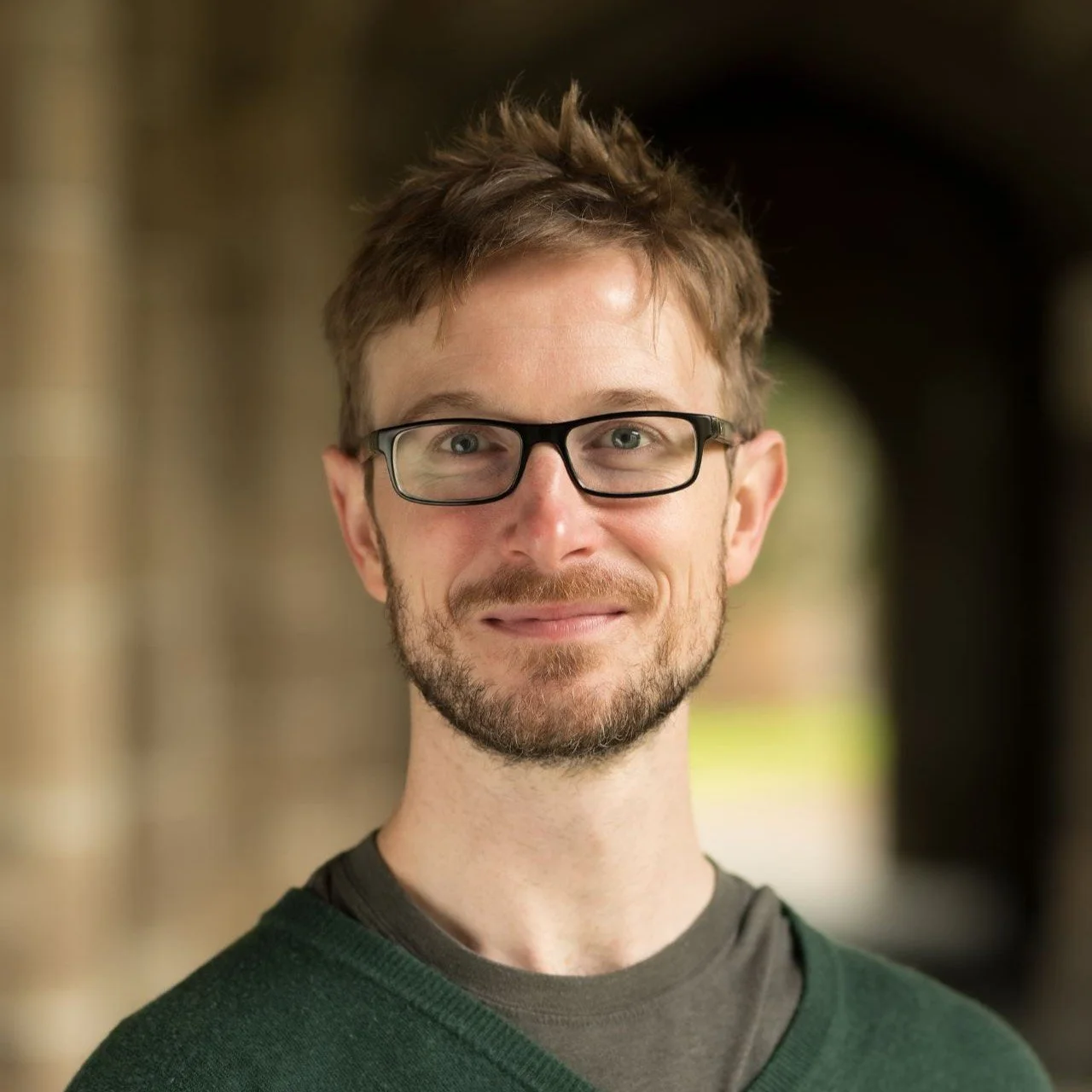
Read MorePhysicist Ciaran O’Hare had his sights set on becoming a musician before astronomy captured his imagination.
Read MoreArt and science might seem to be odd bedfellows, but that is not the case for Australian National University graduate student Raghda Abdel Khaleq. Describing herself as an artistic physicist, Raghda combines her creativity with her scientific knowledge to produce science-inspired art.
Read MoreProfessor Nicole Bell is an international leader in particle and astroparticle physics. She has broad expertise in dark matter phenomenology spanning direct detection, indirect detection, collider searches, astroparticle physics and cosmology.
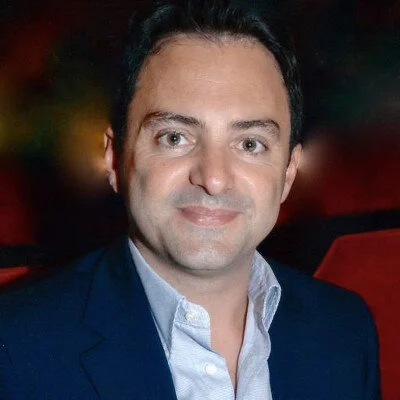
Read MoreProfessor Gianfranco Bertone (Uni of Amsterdam) is an internationally renowned theoretical physicist working at the interface between particle physics, astrophysics and cosmology.
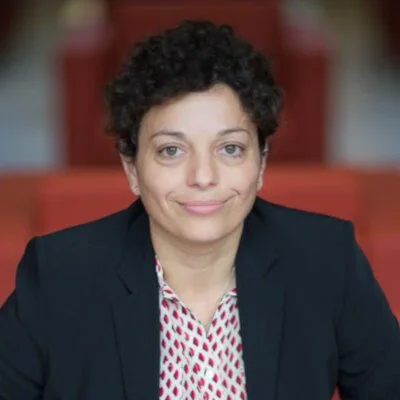
Read MoreAstroparticle physicist, Professor Céline Bœhm has worked in the UK, France, and Switzerland before her appointment in 2018 as the (second female) Head of School of Physics, University of Sydney.
Read MoreAn esteemed and leading particle theorist, Professor Matthew Dolan has investigated Beyond the Standard Model physics for the past decade, making a number of important contributions to dark matter research in collider physics, direct detection and indirect detection.
Read MoreProfessor Alan Duffy is an experienced computational astrophysicist, running large-scale supercomputer simulations to test the growth of dark matter structures.
Read MoreProfessor Phil Hopkins (Caltech) is a world-leading computational astrophysicists and expert on dark matter simulations, and has developed one of the standard supercomputer simulation codes, GIZMO.
Read MoreProfessor Jeremy Mould is one of the world’s leading experts in astrophysics. He was previously Director of the Research School of Astronomy and Astrophysics at the Australian National University and the American National Optical Astronomy Observatory.
Read MoreDr Jayden Newstead works on particle dark matter phenomenology, focusing on the direct detection of dark matter. He will provide a bridge between the Centre's theory and experimental efforts.
Read MoreCiaran O’Hare is an ARC DECRA fellow at the University of Sydney. He works on aspects of dark matter particle physics and astrophysics, including direct detection, axions, and dark matter halo models
Read MoreProfessor Tracy Slatyer (MIT) is an esteemed theoretical particle physicist, who has worked extensively on searches for and models of dark matter, especially searches employing astrophysical and cosmological data.
Read MoreProfessor Cedric Simenel is an internationally recognised leader in quantum many-body approaches to describe low-energy nuclear dynamics. Whilst a theorist, he works closely with experimentalists in order to provide a strong synergy between these two aspects of nuclear physics.
Read MoreProfessor Anthony Thomas has extensive experience in both nuclear and particle theory, with significant publications related to the detection of dark matter.
Read MoreDr Xuan Gong Wang’s areas of research are IMP dark matter, direct detection and effective field theory.
Read MoreProfessor Volkas is an internationally esteemed theoretical particle physicist, with particular expertise in model building- the construction of theories that extend the Standard Model of particle physics.
Read MoreOne of the world’s most eminent theoretical physicists, Professor Frank Wilczek (Stockholm Uni) was awarded the 2004 Nobel Prize in Physics (alongside David Gross and Hugh David Politzer) for his discovery of asymptotic freedom in strong interactions.
Read MoreProfessor Martin White co-leads the GAMBIT collaboration, an international team that performs global fits of beyond-Standard Model physics models, including models of dark matter.
Read More